

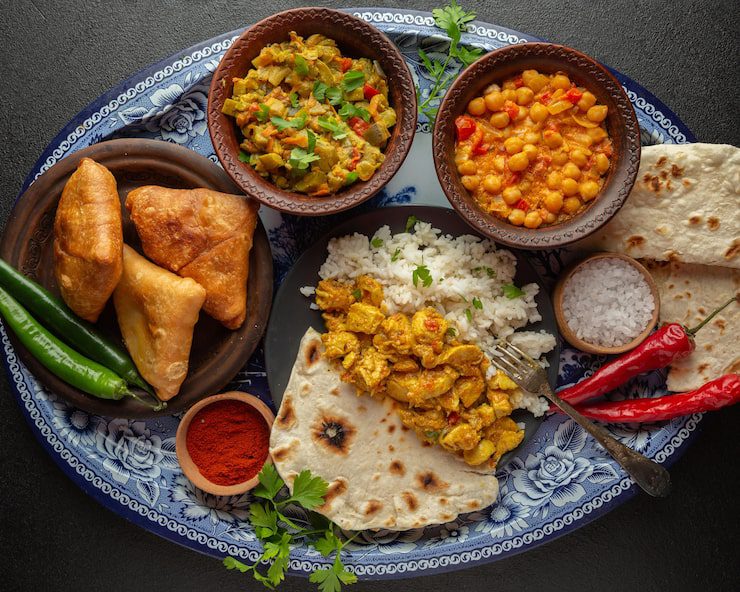
Indian Food Culture represents one of the most vibrant and diverse culinary traditions in the world. Rooted in centuries of history and enriched by regional variety, it reflects how deeply food is woven into India’s identity. Every dish, from the fragrant biryanis of Hyderabad to the buttery parathas of Punjab, tells a story of tradition, flavor, and emotion.
Food in India is much more than sustenance; it’s a symbol of hospitality, spirituality, and family bonding. The art of cooking is often passed down through generations, preserving the essence of culture while evolving with time.
The Foundation of Indian Food Culture
The heart of Indian Food Culture lies in its regional diversity. India’s geography, climate, and cultural influences shape what people eat and how they prepare it. In the north, wheat and dairy dominate, creating dishes like naan, paneer curries, and parathas. In the south, rice, coconut, and tamarind are staples, forming the base for dosas, sambars, and chutneys.
Spices play a vital role, offering more than just flavor—they bring balance and health benefits. Ingredients like turmeric, cumin, cardamom, and ginger are known for their healing properties, deeply rooted in Ayurveda. Each spice is used with purpose, following the ancient philosophy that food affects the body, mind, and soul.
Indian meals often follow the principle of balance—combining sweet, sour, salty, bitter, and spicy tastes to create harmony. Even a simple meal of dal, rice, and vegetables represents wellness and mindfulness in every bite.
Regional Diversity and Culinary Heritage
The regional differences in Indian Food Culture are immense and fascinating. The coastal areas celebrate seafood with dishes like Goan fish curry, while Rajasthan’s arid land inspired the creation of rich, ghee-based foods and dry lentil recipes. Bengal’s love for sweets like rasgulla and sandesh reflects its cultural sophistication, while Gujarat’s vegetarian delights showcase the creativity of cooking without meat.
The way ingredients are used also reflects history and adaptation. Mughal influences introduced biryanis and kebabs, while Portuguese traders brought chilies and tomatoes that reshaped Indian cooking forever. This fusion of local traditions and foreign elements created a culinary mosaic that continues to evolve even today.
Spiritual Significance of Food in India
Food in India carries deep spiritual meaning. Most households begin meals with gratitude, offering food to deities before eating. This act of devotion, known as Prasad, signifies respect for nature’s bounty and acknowledgment of life’s blessings.
Indian Food Culture embraces the philosophy that eating is a sacred act. In many communities, vegetarianism is practiced as an extension of Ahimsa—the principle of non-violence. Fasting and feasting are also integral parts of Indian tradition, serving both physical and spiritual purposes. During fasting, the body is cleansed, and the mind is centered, while feasting celebrates abundance and unity.
Festivals like Diwali, Holi, Eid, and Pongal are marked by elaborate feasts that bring families and communities together. These celebrations strengthen social bonds, reminding everyone that food is a universal language of love and joy.
Family, Food, and Tradition
At the core of Indian Food Culture is the family dining experience. Meals are a time for connection, conversation, and care. In traditional Indian homes, cooking is often seen as an act of love and devotion. Recipes are rarely written—they are learned through observation, practice, and storytelling.
The grandmother’s kitchen is a sacred space where culinary secrets are passed down. Her spice mixes, her rhythm of cooking, and her instinctive balance of flavors reflect years of wisdom. These traditions ensure that family recipes survive and evolve, preserving not only taste but memories.
Family meals in India also reflect equality and sharing. Everyone eats together, from the youngest child to the eldest member, symbolizing unity and respect. This emotional connection to food ensures that cultural values are preserved through every meal.
Festivals and Culinary Celebrations
Festivals form the heartbeat of Indian Food Culture. Each celebration has its signature dishes that reflect both local ingredients and cultural significance. During Diwali, sweet delicacies like laddus, barfis, and halwa fill homes with warmth and happiness. Pongal in Tamil Nadu celebrates the harvest with a dish named after the festival itself, while Eid brings families together over biryanis and kebabs.
These festive foods go beyond taste—they embody emotions, rituals, and heritage. Cooking during festivals is often a communal activity, with family members coming together to prepare, decorate, and serve. Sharing food during these occasions strengthens social bonds and represents the essence of Indian hospitality.
Ayurveda and the Science of Eating
Ayurveda, India’s traditional system of medicine, deeply influences the way Indians cook and eat. It classifies food into three categories—Sattvic (pure and balanced), Rajasic (energetic and stimulating), and Tamasic (heavy and grounding). This philosophy promotes mindful eating, ensuring harmony between the body and mind.
In Indian Food Culture, this Ayurvedic wisdom continues to shape daily cooking habits. A Sattvic meal, rich in fruits, vegetables, and dairy, promotes calmness and clarity. Spices like turmeric, coriander, and fennel are used not just for taste but for their health benefits. Ayurveda emphasizes moderation, digestion, and balance—values that remain relevant even in modern diets.
Street Food: The Soul of Indian Cuisine
If you want to experience the pulse of Indian Food Culture, you’ll find it in the streets. From Delhi’s chaat vendors to Mumbai’s vada pav stalls and Kolkata’s puchka sellers, street food reflects India’s creativity and communal spirit.
Each vendor has a story, a secret recipe perfected over years. The lively chatter, the aroma of spices, and the sizzling pans create an atmosphere that captures the heart of India. Street food in India is affordable, flavorful, and deeply personal—it brings people from all walks of life together over shared plates and shared joy.
Indian Food Culture’s Global Impact
Today, Indian Food Culture has become a global phenomenon. Indian restaurants and fusion cuisine have gained popularity worldwide. Dishes like butter chicken, samosas, and masala chai are now international favorites. But beyond their flavor, these dishes carry India’s history and philosophy.
Indian spices and cooking techniques have inspired chefs across continents. From vegan trends to sustainable eating, the principles of traditional Indian cuisine align with global health movements. Its emphasis on plant-based meals, seasonal ingredients, and mindful cooking has made Indian food a symbol of balance and wellness.
Preserving Heritage in the Modern Era
As India modernizes, preserving the essence of Indian Food Culture becomes even more important. While technology has changed how people cook, the love for traditional methods remains strong. Grinding spices by hand, slow-cooking curries, or baking in clay pots are practices that still thrive in homes and restaurants alike.
Young chefs are blending innovation with heritage, creating modern interpretations of traditional dishes without losing authenticity. Cooking shows, blogs, and social media have also helped preserve and promote Indian culinary traditions for global audiences.
Through these efforts, India’s food legacy continues to grow—rooted in respect, innovation, and a timeless connection between people and their food.
Food in India is more than what’s on the plate—it’s a story of emotion, heritage, and identity. The richness of Indian Food Culture lies not just in its taste but in its spirit—a celebration of diversity, devotion, and the joy of sharing.
Read also:
taj hotel mumbai menu with price
virat kohli restaurant menu
taffeta coffee jaipur menu
coffee taj hotel mumbai menu
india national cricket team vs pakistan national cricket team match scorecard
bangladesh national cricket team vs sri lanka national cricket team match scorecard
arshin kulkarni