

Suspension repair symptoms often show up quietly, long before a car breaks down or becomes unsafe to drive.
Most drivers assume suspension problems only appear when the ride becomes unbearable. In reality, your vehicle gives subtle signals much earlier. Ignoring those signs doesn’t just affect comfort, it directly impacts handling, braking, tire life, and overall safety. Understanding these symptoms early can save money and prevent dangerous situations on the road.
This guide is written from a practical, driver-first perspective, using real-world experience, mechanical knowledge, and safety-focused insights.
How the Suspension System Works in Everyday Driving
The suspension system connects your vehicle to the road.
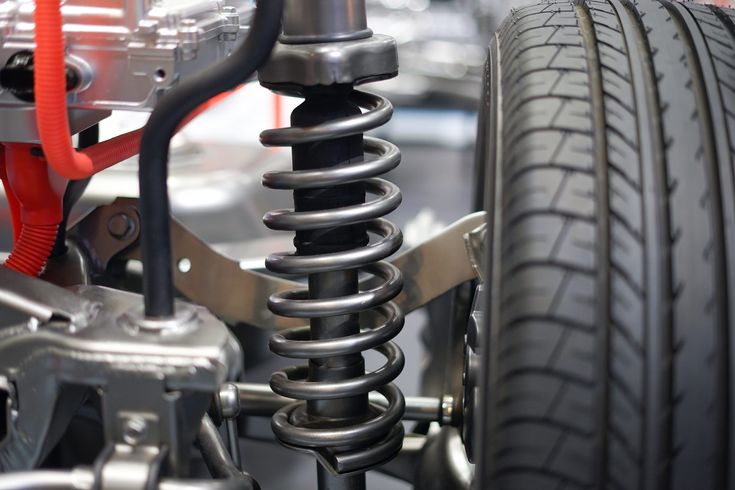
It absorbs shocks from bumps, keeps tires firmly planted, and ensures stable steering. Components like shocks, struts, springs, control arms, and bushings work together constantly, even on smooth roads.
When one part starts failing, the entire system feels the strain.
Why Suspension Problems Are Often Overlooked
Suspension issues develop gradually.
Drivers get used to small changes in ride quality and handling. What feels normal over time may actually be a warning sign.
That’s why recognizing early suspension repair symptoms is so important.
Unusual Bouncing After Small Bumps
A healthy suspension settles quickly after a bump.
If your car continues bouncing, even on minor road imperfections, it’s a strong indicator of worn shocks or struts. This symptom often appears slowly and is easy to ignore.
Over time, excessive bouncing reduces tire contact with the road, affecting control.
Vehicle Pulling to One Side While Driving
A car that drifts left or right without steering input is sending a message.
This may feel like an alignment issue, but worn suspension components often cause uneven weight distribution. Bushings, control arms, or springs could be failing.
Ignoring this can lead to uneven tire wear and unsafe handling.
Nose Diving During Braking
When you brake, some forward movement is normal.
However, if the front of your vehicle dips dramatically, it often points to worn shocks or struts. This symptom increases stopping distance and reduces stability.
Many drivers first notice this during sudden stops in traffic.
Excessive Body Roll While Turning
Corners reveal suspension health clearly.
If your car leans heavily during turns, the suspension is struggling to keep the body balanced. Sway bars or struts may be worn.
This is one of the more noticeable suspension repair symptoms, especially at higher speeds.
Uneven or Rapid Tire Wear
Tires tell the story of suspension health.
Cupping, scalloping, or uneven tread wear often indicate failing suspension parts. Alignment alone won’t fix the issue if suspension components are worn.
Replacing tires without addressing suspension problems leads to repeated expenses.
Steering Feels Loose or Unstable
Steering should feel responsive and predictable.
If your steering feels vague, loose, or requires constant correction, suspension components may be worn. Ball joints and tie rods often play a role here.
This symptom affects driver confidence and safety.
Clunking or Knocking Noises Over Bumps
Unusual sounds should never be ignored.
Clunks, knocks, or rattles when driving over bumps often signal worn bushings, struts, or mounts. These noises tend to worsen over time.
Sound is often the first clue that something is wrong.
Vibrations Felt Through the Steering Wheel
Vibrations aren’t always tire-related.
Suspension issues can transmit vibrations through the steering wheel, especially on uneven roads. Worn components struggle to absorb road impacts.
This symptom often appears alongside others.
Car Sitting Lower on One Side
A vehicle should sit evenly when parked.
If one corner looks lower, a spring may be broken or weakened. This imbalance affects handling and braking.
Visual inspection alone can sometimes reveal serious suspension repair symptoms.
Poor Handling on Rough Roads
Rough roads expose suspension weaknesses.
If your car feels harsh, unstable, or difficult to control on uneven surfaces, suspension components may no longer be functioning properly.
Drivers often notice this after long highway trips.
Increased Stopping Distance
Suspension affects braking more than most realize.
Worn shocks reduce tire contact during braking, increasing stopping distance. This is particularly dangerous in wet or emergency conditions.
Suspension health directly supports braking efficiency.
Difficulty Keeping the Car Straight at Speed
Highway driving should feel stable.
If the vehicle wanders or feels floaty at higher speeds, the suspension may be worn. Shocks and struts play a key role in highway stability.
This symptom often becomes more obvious over time.
Real-Life Example From Daily Driving
A commuter noticed her car felt unstable on curves.
She assumed it was tire pressure. After inspection, worn struts were found. Replacing them restored handling and reduced tire wear.
This real-world example highlights how suspension repair symptoms can be misleading at first.
Why Suspension Problems Get Worse Quickly
Suspension components wear together.
When one part fails, others compensate and wear faster. Ignoring early signs leads to cascading damage.
Early repairs are almost always more affordable.
The Safety Impact of Ignoring Suspension Issues
Suspension problems affect control.
Reduced traction, longer braking distances, and unstable handling increase accident risk. Safety systems like ABS and traction control rely on proper suspension function.
Mechanical neglect compromises modern safety technology.
How Weather and Roads Accelerate Wear
Harsh conditions take a toll.
Potholes, rough roads, heat, and moisture accelerate suspension wear. Vehicles driven in urban areas often experience faster degradation.
Environmental factors matter more than mileage alone.
Suspension Wear vs Alignment Problems
Not all handling issues are alignment-related.
Alignment corrects angles, but suspension wear changes geometry dynamically. Alignments won’t fix worn components.
Understanding this distinction prevents wasted money.
When Warning Lights Don’t Appear
Suspension problems rarely trigger dashboard lights.
Unlike engine issues, suspension failures rely on physical symptoms rather than electronic alerts. Drivers must rely on feel and observation.
Awareness becomes the primary diagnostic tool.
Professional Inspection and Diagnosis
Trained technicians spot subtle signs.
They inspect bushings, joints, and mounts for play and wear. A proper diagnosis ensures only necessary parts are replaced.
Expert evaluation supports long-term reliability.
Repair Timing and Cost Considerations
Delaying repairs increases costs.
Worn suspension damages tires, brakes, and steering components. Early intervention often reduces total repair expenses.
Proactive maintenance protects your budget.
How Suspension Health Affects Comfort
Ride comfort depends on suspension.
A failing suspension transmits road harshness into the cabin. Comfort gradually declines, often unnoticed until repairs are made.
Many drivers are surprised by the improvement after repairs.
Long-Term Vehicle Value and Suspension Care
Suspension condition affects resale value.
A well-maintained suspension signals responsible ownership. Buyers notice ride quality during test drives.
Proper care preserves vehicle worth.
Driving Habits That Protect Suspension
Smooth driving extends component life.
Avoiding potholes, slowing over bumps, and maintaining tire pressure reduces stress on suspension parts.
Small habits make a measurable difference.
Expert Insight on Preventive Checks
Automotive experts recommend inspections.
Periodic suspension checks during tire rotations or oil changes catch problems early. Preventive attention reduces emergency repairs.
Experience shows early action saves money.
Understanding Mileage vs Condition
Mileage alone doesn’t tell the full story.
Driving conditions, load, and road quality matter more. Some vehicles show suspension repair symptoms early, others much later.
Condition-based assessment is more reliable.
The Emotional Side of a Stable Ride
A stable car reduces driving stress.
Confidence in handling improves focus and enjoyment. Drivers often underestimate how suspension health affects mental comfort.
Smooth rides support relaxed driving.
Technology and Modern Suspension Systems
Modern suspensions are more complex.
Adaptive systems and electronic damping rely on mechanical integrity. When basic components wear, advanced features underperform.
Maintenance supports technology effectiveness.
Recognizing Patterns Over Time
Symptoms often appear gradually.
Drivers may notice one issue, then another. Tracking changes helps identify suspension problems early.
Consistency in observation matters.
Making Informed Repair Decisions
Knowledge empowers drivers.
Understanding suspension repair symptoms helps communicate effectively with mechanics. Informed decisions prevent unnecessary repairs.
Education builds confidence.
A Safer, Smoother Driving Experience
Suspension health underpins safety and comfort.
By recognizing early signs, drivers protect their vehicles, finances, and well-being. Addressing suspension issues promptly ensures stable handling, predictable braking, and peace of mind on every drive.
Staying attentive to how your car feels on the road is the most reliable way to keep your suspension, and your safety, in top condition.