

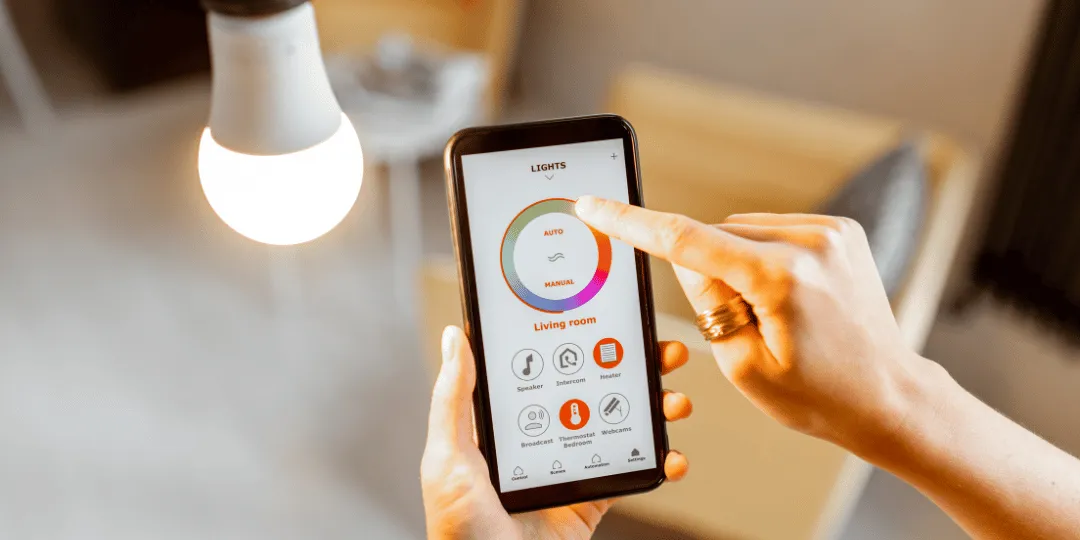
Smart Lighting Systems have fundamentally altered the way we interact with our living environments, moving far beyond the simple flip of a wall switch into a world of intuitive automation. I remember the frustration of stumbling through a dark hallway, fumbling for a switch while balancing a load of laundry or a sleeping toddler. Those days are largely behind us thanks to the rapid evolution of home technology that allows our houses to anticipate our needs. Lighting is no longer just a utility; it is a dynamic element of interior design that can influence our mood, enhance our security, and even improve our sleep patterns.
The transition from traditional incandescent bulbs to a fully integrated digital network is a journey that combines creative vision with technical precision. When you first explore the possibilities of modern illumination, it is easy to get overwhelmed by the sheer number of products on the market. However, the true value of these setups lies in their ability to simplify your life rather than complicate it. By understanding the core components and the human experience behind the technology, you can create a sanctuary that responds to your voice, your movement, and even the time of day.
Expertise in the field of home automation suggests that the best way to start is by identifying the specific pain points in your current routine. Perhaps you want the porch lights to turn on automatically when you pull into the driveway, or maybe you need a gentle “sunrise” effect in the bedroom to make early mornings less jarring. Whatever your goals, the foundation of a great home setup is a reliable network and a clear understanding of the different protocols that allow devices to talk to each other. This guide will walk you through the nuances of building a system that is as authoritative and trustworthy as it is beautiful.
Understanding the Evolution of Smart Lighting Systems
To truly appreciate the current state of Smart Lighting Systems, we must look at the technological hurdles that were cleared over the last decade. In the early days, home automation was a complex, expensive endeavor that required professional installers and proprietary wiring. Today, the democratization of technology means that anyone with a smartphone can begin their journey with a single bulb. This shift has been driven by the rise of wireless communication protocols like Zigbee, Z-Wave, and most recently, the Matter standard, which aims to make devices from different manufacturers work together seamlessly.
Authoritativeness in this space is built on the choice of hardware and the stability of the underlying connection. While Wi-Fi bulbs are popular due to their low price point, they can often clog up your home router if you install too many of them. This is where dedicated hubs or mesh networks become essential. A hub acts as a central translator, taking the strain off your primary internet connection and ensuring that your commands are executed instantly. When you walk into a room, you expect the light to turn on without a five-second delay, and professional-grade hubs are the secret to that responsiveness.
Experience has taught me that the “smart” part of the system is only as good as the user interface. Whether you prefer voice commands via a digital assistant, a dedicated tablet on the wall, or automated sensors, the interaction should feel natural. A well-designed system doesn’t require you to think; it simply works in the background. As we move deeper into the age of artificial intelligence, we are seeing systems that learn your habits and adjust themselves over time, effectively becoming a silent partner in your daily life.
The Real-Life Impact of Installing Smart Lighting Systems
Imagine returning home after a long day at the office to a house that already knows you are there. As your car enters the “geofence” around your property, the driveway lights shimmer to life, and the entryway glows with a welcoming warmth. This isn’t just a luxury; it is a significant upgrade to your home’s security and your personal peace of mind. By eliminating the need to search for keys in the dark, you are creating a safer environment for yourself and your family.
In the kitchen, the impact of Smart Lighting Systems is felt through the ability to switch between task lighting and social ambiance. When you are prepping a meal, you need bright, cool light that illuminates your workspace and ensures safety while handling sharp tools. However, once the meal is served and friends gather around the island, you can instantly dim those same lights to a warm, candle-like glow. This flexibility allows a single room to serve multiple purposes throughout the evening without the need for complex dimmers or multiple sets of lamps.
The health benefits of adaptive lighting are also becoming a major selling point for modern homeowners. Our bodies are naturally tuned to the cycle of the sun, a concept known as the circadian rhythm. Traditional artificial lighting often disrupts this cycle, especially with the “blue light” emitted by many LEDs and screens. Modern systems can be programmed to mimic the sun’s natural progression, starting with cool, energizing light in the morning and gradually shifting to warm, amber tones in the evening. This helps regulate melatonin production, making it easier to fall asleep and wake up feeling refreshed.
Technical Foundations: Hubs, Bulbs, and Switches
When building out your network, you will face the choice between smart bulbs and smart switches. This decision often comes down to the existing wiring of your home and how much control you want over the individual fixtures. Smart bulbs are the easiest way to get started, especially for renters, as they simply screw into existing sockets. They offer the greatest degree of color customization, allowing you to choose from millions of shades to match your decor or your current mood.
However, smart switches are often the more robust choice for long-term homeowners. By replacing the switch itself, you maintain the ability to control the light manually without “killing” the smart functionality. One of the most common issues with smart bulbs is that if someone flips the physical wall switch to “off,” the bulb loses power and can no longer be controlled by the app or voice commands. Smart switches solve this problem by ensuring the circuit is always active, providing a much more reliable experience for every member of the household.
Trustworthiness in these systems also depends on the quality of the LEDs themselves. Not all bulbs are created equal, and cheaper options often suffer from “flicker” or poor color rendering. High-quality bulbs will have a high Color Rendering Index (CRI), which ensures that the colors of your furniture, clothing, and food look vibrant and true to life. Investing in reputable brands ensures that your lights won’t just be smart; they will be high-performing pieces of equipment that last for decades rather than months.
The Health Benefits of Adaptive Lighting
One of the most profound ways Smart Lighting Systems improve our lives is through their impact on our biological well-being. Modern research into human-centric lighting has revealed how much our environment influences our hormones and stress levels. By utilizing “tunable white” technology, you can create a space that actively supports your cognitive function during the day and your relaxation at night. This is particularly valuable for those who work from home and need to maintain high levels of focus in a residential setting.
Consider the bedroom, where the right lighting can transform your sleep hygiene. Instead of a jarring alarm clock, you can program your bedside lamps to slowly brighten over thirty minutes, simulating a natural sunrise. This gradual increase in light signals to your brain to stop producing sleep hormones and start producing cortisol, allowing you to wake up in a more peaceful state. At the other end of the day, a “wind-down” scene that eliminates blue light can help prepare your body for deep, restorative rest.
In shared family spaces, these systems can also help manage the transitions of a busy household. You might have a “homework” scene that provides bright, focused light for the children at the dining table, followed by a “movie night” scene that dims the overheads and turns on subtle backlighting behind the television. By using light to signal different activities, you are providing a structural framework for your family’s evening, helping everyone transition from the busyness of the day to the calm of the night.
Integrating Your Lights into a Smarter Ecosystem
The true power of home automation is realized when your lights begin to talk to other devices in your house. For example, your security system can be integrated so that if a motion sensor is triggered outside at 2:00 AM, every light in the house instantly turns on to full brightness. This is a far more effective deterrent than a simple alarm, as it removes the cover of darkness for any potential intruder. This level of integration provides a proactive approach to home protection that traditional systems simply cannot match.
Furthermore, integrating your lighting with your climate control can lead to even greater energy savings. During the peak of a summer afternoon, your system can detect that the sun is hitting the west side of the house and automatically dim the lights and close the smart shades to reduce the heat load on your air conditioning. This synergy between different home systems turns your house into an intelligent organism that works to keep you comfortable while minimizing your environmental footprint.
Authoritative guidance in this area suggests choosing a primary ecosystem—such as Apple Home, Google Home, or Amazon Alexa—and sticking with it. This ensures that all your devices can be controlled through a single interface and that your automations are easy to manage. While the Matter protocol is making it easier to mix and match brands, having a central “brain” for your home makes the user experience much smoother for guests and family members who may not be as tech-savvy as you are.
Security and Privacy in the Connected Home
As we invite more connected devices into our private spaces, the question of data security and privacy becomes paramount. Trustworthiness in Smart Lighting Systems is built through robust encryption and clear privacy policies. It is essential to choose manufacturers that have a strong track record of protecting user data and providing regular security updates. Your lighting habits can actually reveal a lot about your daily routine, so ensuring that this data is not being shared or sold to third parties is a critical consideration.
One way to enhance your privacy is to look for systems that allow for “local control.” This means that your commands are processed within your own home network rather than being sent to a cloud server in another country. Not only does this make the system faster, but it also means that if your internet goes down, your lights will still work. Local control is a hallmark of a more sophisticated and secure setup, providing a level of independence from the broader internet that many privacy-conscious users value.
We must also consider the physical security of the devices themselves. Ensuring that your home Wi-Fi is protected by a strong, unique password and that your smart home hub is updated with the latest firmware are basic but essential steps. By taking a proactive approach to digital hygiene, you can enjoy all the benefits of a connected home without the stress of potential vulnerabilities. A secure home is a happy home, and the right technology should provide comfort without compromise.
Maximizing Energy Efficiency and Cost Savings
The financial impact of switching to an automated setup is often one of the first things people notice. LEDs are already significantly more efficient than traditional bulbs, but adding “smarts” to the mix takes those savings to the next level. How many times have you left the house and realized half an hour later that you forgot to turn off the kitchen lights? With an automated system, the house can detect that no one is home and shut everything off for you, ensuring that you are never paying for electricity you aren’t using.
Dimming is another powerful tool for energy conservation. Most people don’t realize that dimming an LED by even twenty percent can lead to a noticeable decrease in energy consumption and significantly extend the life of the bulb. By setting your default “on” state to eighty percent brightness, you are saving money every time you walk into a room, and your eyes will likely never even notice the difference. Over the course of a year, these small adjustments can add up to a substantial reduction in your utility bills.
Furthermore, the use of occupancy sensors in rooms like bathrooms, laundries, and garages ensures that lights are only on when they are actually needed. We have all seen the children leave a trail of lights behind them as they move through the house. By letting the house manage the “off” switch, you are removing a point of friction in your daily life and making your home more environmentally responsible. This efficiency is a core part of being a modern, conscious consumer who values both technology and sustainability.
Creative Ways to Use Automation in Every Room
The kitchen is a fantastic place to experiment with specialized scenes. You might have a “cooking” scene that focuses light on the countertops and the stove, and a “cleaning” scene that brings everything to full brightness so you don’t miss a spot on the floor. For those late-night trips to the fridge for a glass of water, a “nightlight” scene can activate a subtle glow under the cabinets at ten percent brightness, guided by a motion sensor, so you don’t have to blind yourself with the main overheads.
In the living room, accent lighting can be used to highlight architectural features or artwork. By using smart spotlights, you can change the focus of the room depending on the season or the occasion. During the holidays, you might use your lights to add a touch of festive color to the space, and during a quiet evening of reading, you can focus the light exactly where you need it. This ability to “paint with light” is what makes home automation so exciting for those who love interior design.
Outdoor spaces also benefit immensely from being part of a larger network. You can program your landscaping lights to turn on at sunset and off at sunrise, or even better, have them follow an astronomical clock that adjusts for the changing seasons. This ensures that your home always has “curb appeal” and that your pathways are always safe for guests. Smart outdoor lighting can also be integrated with your doorbell camera, flashing the porch light if someone is detected at the door, providing a visual cue even if you have your headphones on.
Maintenance and Troubleshooting for Longevity
Like any piece of technology, your home setup will require a small amount of maintenance to keep it running at its peak. This usually involves ensuring that your firmware is up to date and that your network signal remains strong in all areas of the house. If you notice a particular bulb is becoming slow to respond, it might be a sign that it is on the edge of your network’s range. Adding a simple range extender or moving your hub to a more central location can often solve these issues instantly.
It is also a good idea to periodically review your automations. As your life changes, your lighting needs will also evolve. Maybe you’ve started a new job with a different schedule, or perhaps a room that was once a nursery is now a home office. Taking the time to adjust your scenes and schedules ensures that the system continues to serve your current lifestyle. The beauty of a digital system is that it can change as quickly as you do, without the need for a single wire to be moved.
Authoritative advice also includes keeping a few “dumb” backups in critical areas. While technology is wonderful, having a simple battery-powered light in an emergency kit or knowing how to manually override your smart switches is a sign of a well-prepared homeowner. By combining the best of the new world with the reliability of the old, you can create a home that is ready for anything. This balanced approach ensures that you are always in control of your environment, no matter what happens with the power or the internet.
Your journey into the world of home automation is limited only by your imagination. Every room in your house offers a new opportunity to use light in a way that makes your life easier, healthier, and more beautiful. By focusing on quality hardware, secure connections, and thoughtful automation, you can build a home that truly reflects your values and your personality. Light is the most powerful tool in your design arsenal, and with the right system, you can master it like never before.
The digital transformation of our homes is a process of reclaiming our time and our energy. By letting the house handle the small, repetitive tasks of daily life, we are freeing ourselves up to focus on the things that truly matter. Whether it is more time with family, a better night’s sleep, or simply the joy of living in a beautiful space, the rewards of a well-planned system are immense. Start small, dream big, and watch as your home comes to life in a whole new light.
As you continue to explore this field, remember that the most important element of any smart home is the human being at the center of it. The technology should always serve you, providing comfort and convenience without being intrusive. By staying informed about the latest trends and prioritizing security and quality, you are setting yourself up for a successful and fulfilling experience. Your home is your most personal space, and it deserves a lighting system that is as smart as you are.
Focusing on the long-term benefits will help you stay motivated through the initial setup process. There is a profound sense of satisfaction that comes from creating a space that works perfectly for your needs. Every time you walk into a room and the light is exactly right, or every time you save a few dollars on your power bill, you will be reminded of why you started this journey. Light is life, and in a smart home, that life is more vibrant than ever.