

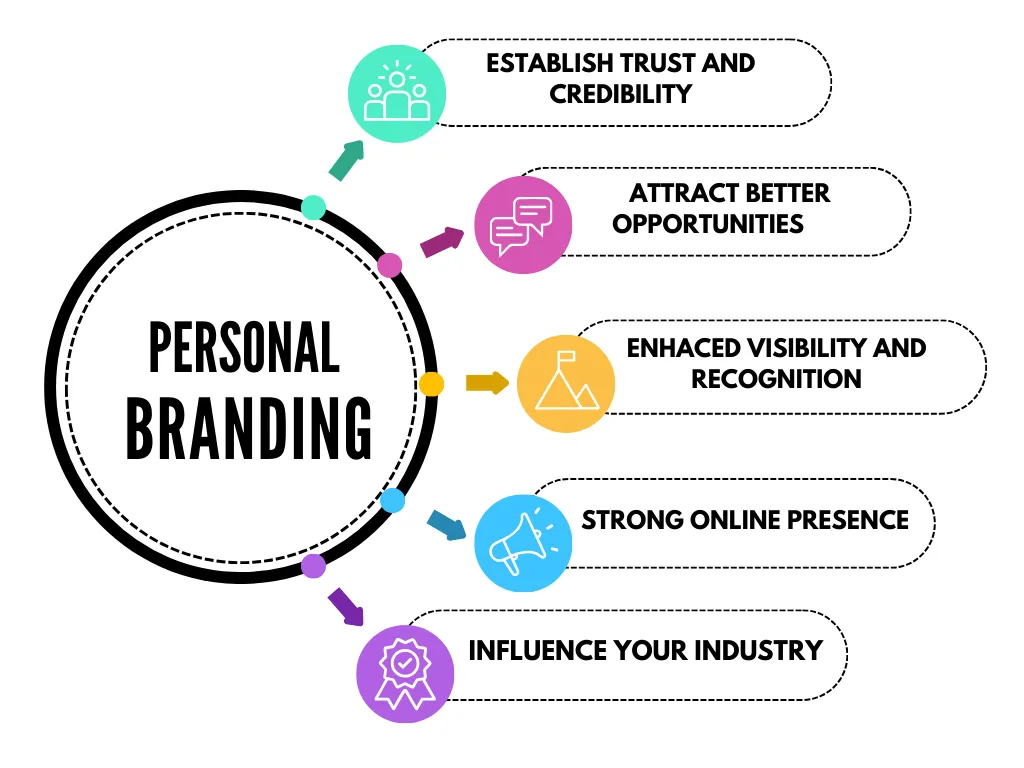
Personal Branding is more than a buzzword—it’s the art of shaping how the world perceives you. Whether you’re an entrepreneur, a freelancer, or a corporate professional, building a strong personal brand can open doors to opportunities that might otherwise remain closed. Imagine a young designer in Jaipur who started sharing her creative journey on Instagram. Within months, her consistent storytelling and authentic posts attracted clients from across the globe. That’s the power of personal branding in action.
Why Personal Branding Matters
In a crowded marketplace, standing out is essential. Personal Branding helps individuals differentiate themselves, build credibility, and establish trust. It’s not just about self-promotion—it’s about creating a narrative that resonates with audiences.
Think of Elon Musk. His brand is not just about Tesla or SpaceX; it’s about innovation, risk-taking, and futuristic vision. Similarly, professionals who craft their personal brand around authenticity and expertise often find themselves leading conversations in their industries.
The Evolution of Personal Branding
The concept of personal branding has evolved dramatically. Decades ago, reputation was built through word of mouth and professional networks. Today, digital platforms amplify voices, allowing individuals to reach global audiences instantly.
LinkedIn profiles, blogs, podcasts, and social media channels have become tools for shaping identity. A consultant who shares insights regularly on LinkedIn builds authority, while a YouTuber who documents their journey creates relatability. Evolution shows that personal branding thrives on consistency and adaptability.
Storytelling in Personal Branding
Stories are at the heart of personal branding. People connect with narratives, not resumes. Sharing challenges, lessons, and triumphs humanizes professionals, making them relatable.
Consider Oprah Winfrey. Her personal brand is built on resilience, empathy, and empowerment. By sharing her journey, she created a global identity that inspires millions. Similarly, a local entrepreneur who shares struggles and successes builds trust with audiences, proving that vulnerability strengthens branding.
Technology and Personal Branding
Technology has revolutionized personal branding. From AI-driven analytics to content scheduling tools, individuals can now manage their brand with precision. Platforms like Canva simplify design, while analytics tools measure engagement.
A fitness coach, for example, uses apps to track client progress and shares results online. This not only showcases expertise but also builds credibility. Technology ensures that branding is not just creative but data-driven.
Social Media and Personal Branding
Social platforms are the stage for personal branding. Instagram highlights visuals, LinkedIn emphasizes professionalism, Twitter fosters conversations, and TikTok thrives on trends. Each platform requires tailored strategies.
A motivational speaker might use Instagram reels for inspiration, LinkedIn articles for thought leadership, and Twitter threads for quick insights. This multi-channel approach ensures visibility across diverse audiences.
Real-Life Example: The Local Artist
Consider a Jaipur-based artist who once sold paintings only through exhibitions. By embracing personal branding, she began sharing behind-the-scenes videos, creative processes, and customer stories online. Within a year, her brand attracted international buyers, proving that authenticity and consistency can transform careers.
Global Trends in Personal Branding
Globalization has expanded opportunities for personal branding. Professionals now compete and collaborate across borders. A software developer in India can showcase skills on GitHub, attracting clients in Europe. A chef in Brazil can share recipes on YouTube, building a global following.
This interconnectedness ensures that personal branding is no longer limited by geography—it’s a passport to global recognition.
Future of Personal Branding
The future of personal branding lies in authenticity, sustainability, and immersive experiences. Audiences value transparency, ethical practices, and genuine engagement. Virtual reality, AI-driven personalization, and blockchain verification will redefine branding.
Imagine attending a virtual seminar where a speaker’s personal brand is showcased through immersive storytelling. Or a blockchain-based portfolio that verifies authenticity. These innovations prove that personal branding is not static—it evolves with technology and culture.