

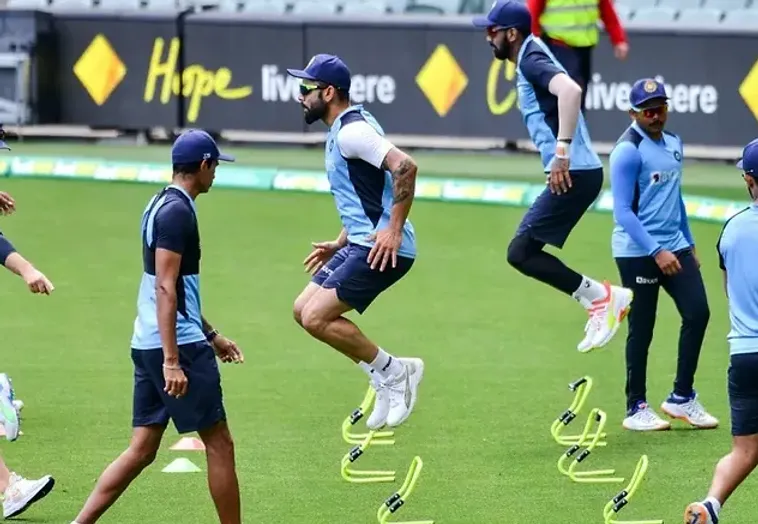
Cricket training drills are the backbone of every successful cricketer’s journey, from local ground practice sessions to elite international camps. The first time a young player steps into structured training, drills shape not only technique but also discipline, mindset, and consistency. When practiced correctly, they transform raw talent into reliable match performance.
At every level of the game, coaches rely on cricket training drills to replicate match situations, sharpen reflexes, and prepare players for pressure. These drills are not about repetition alone; they are about purposeful movement, awareness, and gradual mastery of skills that decide games.
Why Training Drills Matter More Than Natural Talent
Talent opens the door in cricket, but preparation decides how far a player goes. Many gifted players fade because they lack structured practice habits. Cricket training drills provide a framework that turns potential into dependable execution.
Drills help players understand their strengths and weaknesses in a controlled environment. Over time, consistent practice builds muscle memory, enabling players to react instinctively during real matches without overthinking.
The Role of Discipline in Cricket Practice
Discipline separates casual players from serious competitors. Structured cricket training drills teach players to respect routines, manage fatigue, and focus on improvement rather than instant results.
A disciplined practice session mirrors match intensity. Bowlers maintain line and length even when tired, batters focus on shot selection, and fielders commit fully to every movement. These habits define consistency at higher levels.
Batting Development Through Smart Drills
Batting is about timing, balance, and decision-making. Effective cricket training drills help batters refine footwork, shot control, and awareness of field placements.
Repetitive net sessions without purpose often lead to stagnation. Instead, drills that simulate pressure situations teach batters how to rotate strike, handle short balls, and stay composed against quality bowling.
Improving Shot Selection Under Pressure
One of the biggest challenges in cricket is choosing the right shot at the right moment. Training drills designed around situational awareness help batters judge risk and reward.
Through targeted cricket training drills, players learn when to attack, when to defend, and how to adapt to different match formats. This understanding becomes invaluable in limited-overs cricket.
Bowling Accuracy and Consistency
Bowling is as much about control as it is about speed or spin. Cricket training drills for bowlers focus on repeatable actions that deliver accuracy under pressure.
By practicing controlled run-ups, consistent release points, and variation control, bowlers develop reliability. Over time, this consistency forces batters into mistakes, creating wicket-taking opportunities.
Building Pace and Endurance Safely
Fast bowlers, in particular, benefit from structured cricket training drills that balance workload and recovery. Poor training methods often lead to injuries, cutting promising careers short.
Modern drills emphasize strength, flexibility, and gradual pace development. This approach ensures bowlers maintain speed while protecting their bodies for long-term performance.
Spin Bowling and Tactical Awareness
Spin bowling relies on subtle variations and tactical intelligence. Cricket training drills for spinners focus on finger strength, wrist position, and control over flight and drift.
These drills also teach spinners how to read batters and set them up over multiple deliveries. This strategic element separates effective spinners from those who rely solely on turn.
Fielding Drills That Win Matches
Fielding often decides close games, yet it is frequently overlooked. High-quality cricket training drills emphasize agility, anticipation, and throwing accuracy.
Quick reflex drills improve catching under pressure, while movement-based exercises enhance ground fielding. Over time, teams that prioritize fielding gain a competitive edge through saved runs and unexpected dismissals.
Mental Strength Through Practice
Cricket is a mental game as much as a physical one. Cricket training drills that include pressure simulation help players stay calm in high-stakes moments.
By practicing with consequences, such as time limits or scoring targets, players learn to manage nerves. This mental resilience often proves decisive in tight matches.
Youth Development and Foundational Skills
For young players, cricket training drills establish fundamentals that last a lifetime. Early exposure to proper technique prevents bad habits from forming.
Youth-focused drills prioritize enjoyment alongside learning. This balance keeps players motivated while developing coordination, confidence, and a love for the game.
Coaching Philosophy and Drill Design
Great coaches design cricket training drills with purpose. Every drill targets a specific skill, whether technical, tactical, or psychological.
Experienced coaches adjust drills based on player needs, ensuring that practice remains relevant and challenging. This adaptability reflects the evolving nature of modern cricket.
Adapting Drills for Different Formats
Test cricket, ODIs, and T20s demand different skill sets. Cricket training drills must reflect these differences to prepare players effectively.
Long-format drills emphasize patience and endurance, while shorter-format drills focus on explosive movement and rapid decision-making. Versatility in training leads to versatility in performance.
Real-Life Example of Training Impact
A domestic-level player struggling with consistency once restructured his routine around targeted cricket training drills. Instead of long, unfocused net sessions, he practiced scenario-based drills that mimicked match conditions.
Within a season, his average improved, and his confidence grew. This transformation highlights how smart training often matters more than longer hours.
Technology and Modern Training Methods
Technology has enhanced cricket training drills through video analysis, performance tracking, and biomechanical feedback. Players now understand their movements in greater detail.
This data-driven approach helps identify inefficiencies and refine technique. Combined with traditional coaching wisdom, it accelerates improvement at all levels.
Avoiding Burnout Through Balanced Training
Overtraining is a common issue among aspiring cricketers. Effective cricket training drills include rest and recovery as part of the plan.
Balanced schedules prevent mental fatigue and physical strain, ensuring players remain fresh and motivated. Sustainable training leads to longer, more successful careers.
Team Cohesion and Communication
Training drills also build team unity. Cricket training drills that involve communication and coordination strengthen understanding among players.
This cohesion translates into smoother fielding, better running between wickets, and stronger on-field trust, all of which impact match results.
Preparing for Competitive Matches
Match readiness comes from repetition under realistic conditions. Cricket training drills simulate pressure, fatigue, and unpredictability.
By practicing how they play, players enter matches with confidence and clarity. Preparation reduces uncertainty and improves decision-making when it matters most.
Long-Term Growth Through Consistent Practice
The true value of cricket training drills lies in consistency. Small improvements accumulated over time lead to significant progress.
Players who commit to structured practice develop resilience, adaptability, and confidence. These qualities define successful cricketers across generations.
Through dedication, structure, and purposeful repetition, cricket training drills remain the most reliable path to sustained improvement. They connect practice with performance, turning effort into excellence and passion into achievement at every level of the game.
Read also: