

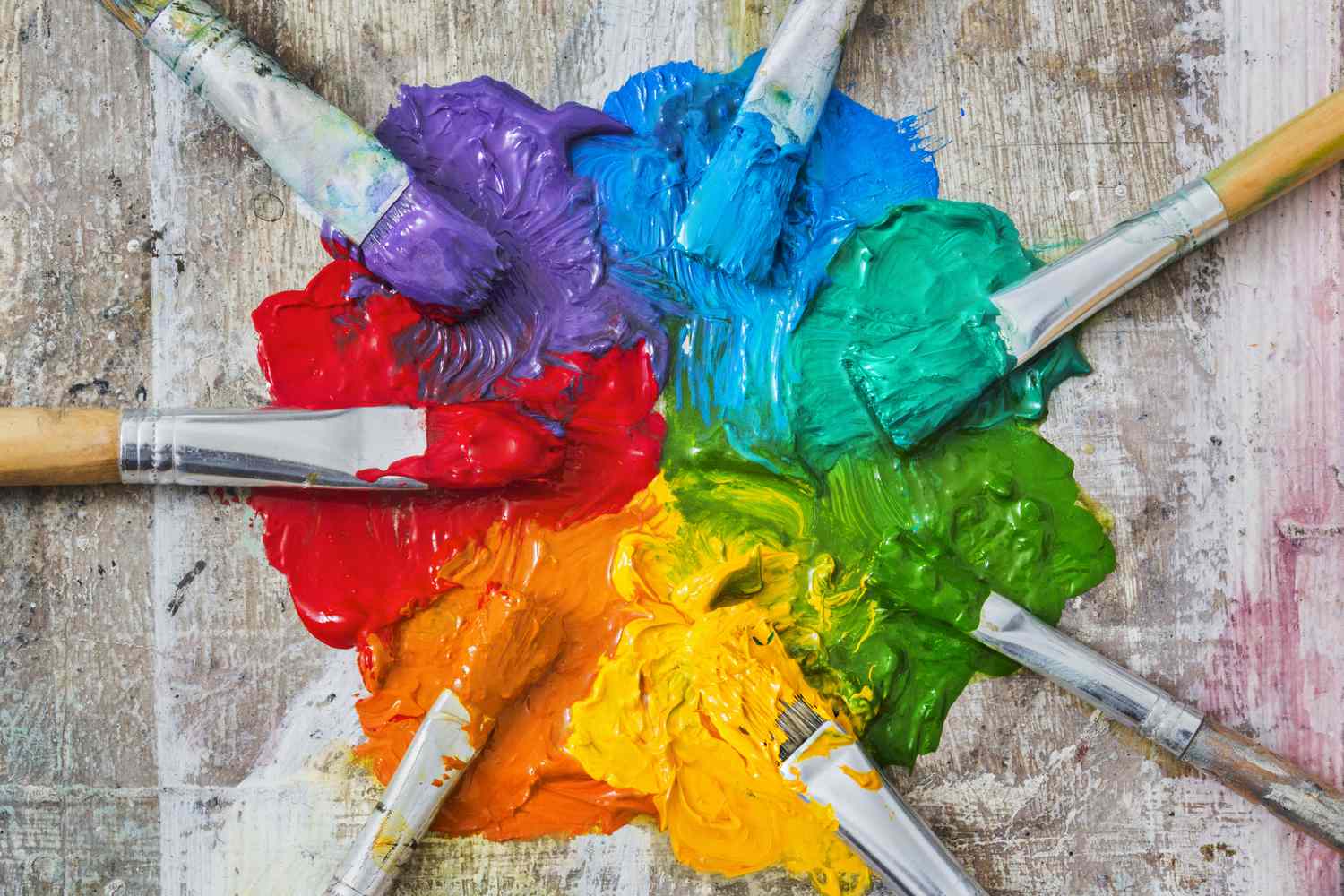
Color mixing techniques are one of the most essential skills every artist learns while exploring painting or drawing. Whether someone is painting a landscape, designing digital artwork, or experimenting with watercolor for the first time, understanding how colors interact can completely transform the final result.
Many beginners assume that painting requires dozens of paint tubes. In reality, skilled artists can create hundreds of shades using just a few basic colors. The magic happens when colors blend together to produce depth, warmth, and realism.
Think back to childhood when mixing paints in school art class. The excitement of turning blue and yellow into green often sparks the first curiosity about color theory. That same curiosity eventually leads artists to explore deeper methods that professionals use to create complex palettes.
Learning these methods not only improves artwork but also helps artists develop a strong understanding of visual harmony.
Understanding the Basics of Color Theory
Before mastering advanced painting skills, artists need to understand the foundation of color theory. This theory explains how colors interact with each other and how new shades are formed.
The three primary colors form the base of most painting systems. These colors cannot be created by mixing other colors. From them, artists create secondary colors by blending two primaries together.
Red mixed with blue creates purple. Blue mixed with yellow produces green. Yellow mixed with red results in orange. These combinations form the building blocks for nearly every shade used in art.
Once artists begin practicing Color mixing techniques, they start recognizing how small adjustments in ratios can dramatically change a color’s mood and intensity.
Understanding these relationships allows artists to control their palette rather than relying on guesswork.
Why Color Mixing Is Important for Artists
Artists who master color mixing gain far greater creative freedom. Instead of searching for the perfect shade in a store, they can create it themselves.
This skill becomes especially important in painting styles such as realism and impressionism. Natural scenes rarely contain flat colors. A tree’s leaves, for example, may include multiple shades of green, yellow, and even blue depending on lighting conditions.
Artists who rely only on pre-made colors often struggle to achieve depth. Those who understand Color mixing techniques can build subtle transitions and natural-looking gradients.
Another advantage is consistency. When artists mix their own colors, they can replicate specific shades across different artworks.
Traditional Color Mixing Techniques Artists Use
Experienced painters often develop a system for mixing colors that keeps their palette organized and efficient.
One common approach is gradual blending. Instead of mixing large amounts of paint at once, artists slowly introduce small amounts of a second color until the desired shade appears.
This approach reduces waste and allows for precise adjustments.
Another method involves layering. Rather than mixing colors directly on the palette, artists apply thin layers of paint over each other. This technique is especially popular in watercolor and acrylic painting.
Through practice, artists discover which Color mixing techniques work best for different painting styles and materials.
Color Mixing Techniques for Creating Natural Skin Tones
Mixing realistic skin tones is one of the most challenging tasks for beginner painters.
Human skin contains subtle undertones that change depending on lighting, environment, and ethnicity. Rarely does a single paint color accurately represent these tones.
Artists often begin with a base mixture of red, yellow, and a touch of blue to create a natural brown tone. From there, small adjustments can add warmth or coolness.
A hint of green may neutralize overly red mixtures. Adding white can lighten the shade, while small amounts of purple or blue can create shadows.
Understanding these subtle adjustments is a major part of mastering Color mixing techniques in portrait painting.
The Role of Warm and Cool Colors
Colors are often described as either warm or cool depending on their visual temperature.
Warm colors include reds, oranges, and yellows. These colors feel energetic and are often associated with sunlight, fire, and warmth.
Cool colors include blues, greens, and purples. They create calm, peaceful atmospheres and are often used in landscapes and night scenes.
When artists mix colors, balancing warm and cool tones helps create depth. For example, shadows may appear cooler than areas lit by sunlight.
Artists who study Color mixing techniques learn to use temperature differences to guide viewers’ attention within a painting.
Creating Depth Through Color Mixing
Depth in painting does not come only from perspective or shading. Color variation also plays a powerful role.
Objects closer to the viewer often appear more vibrant and saturated. Distant objects appear softer and slightly muted.
Landscape painters frequently mix small amounts of blue or gray into distant colors to simulate atmospheric perspective.
This subtle change makes mountains look far away while keeping foreground objects bright and detailed.
Artists who master Color mixing techniques can control depth and realism without relying solely on outlines.
Common Mistakes Beginners Make When Mixing Colors
Many beginners experience frustration when colors turn muddy or dull. This usually happens when too many pigments are mixed together.
When multiple colors blend repeatedly, they eventually cancel each other out and produce a grayish tone.
Another common mistake is adding too much dark paint at once. Dark pigments are powerful and can easily overpower lighter colors.
The key to avoiding these issues is patience. Artists should introduce colors slowly and observe how each addition changes the mixture.
Over time, practicing Color mixing techniques helps artists develop an intuitive understanding of color balance.
Using Limited Palettes to Improve Mixing Skills
Many professional painters intentionally limit the number of colors on their palette. This practice forces them to rely on mixing rather than pre-made shades.
A limited palette might include only five or six colors. With these few pigments, artists can still create dozens of variations.
This exercise strengthens an artist’s understanding of color relationships. It also encourages creative experimentation.
Artists who work with limited palettes often discover unexpected combinations that lead to new Color mixing techniques and unique visual styles.
Color Mixing in Different Painting Mediums
Different painting mediums respond to color mixing in slightly different ways.
Watercolors are transparent and rely heavily on layering. Colors blend softly when water spreads pigment across paper.
Acrylic paints dry quickly and allow artists to build multiple layers rapidly. Mixing must happen quickly because the paint sets fast.
Oil paints dry slowly, which allows extended blending directly on the canvas. This makes them ideal for smooth transitions and subtle gradients.
Understanding how each medium behaves helps artists refine their Color mixing techniques for better results.
Practical Exercises to Improve Color Mixing Skills
One of the best ways to master color mixing is through structured practice.
Artists often create color charts where they mix two colors in different ratios. These charts reveal how dramatically a color can change with even a small adjustment.
Another helpful exercise involves recreating colors from photographs or real-life objects. Trying to match a flower’s exact shade of pink or a sunset’s orange glow trains the eye to notice subtle variations.
Regular practice with Color mixing techniques gradually improves accuracy and confidence.
The Psychology Behind Color Combinations
Colors influence emotions and mood in powerful ways. Bright colors often feel energetic, while muted tones feel calm and reflective.
Artists frequently consider emotional impact when choosing color combinations.
For example, warm color palettes can create a cheerful atmosphere in illustrations. Cooler palettes may evoke tranquility or mystery.
Understanding emotional responses to color allows artists to communicate ideas visually.
By applying thoughtful Color mixing techniques, painters can guide how viewers experience a piece of artwork.
Developing a Personal Color Style
Every artist eventually develops a unique color signature. Some prefer bold, saturated palettes, while others enjoy soft pastel tones.
This style emerges gradually through experimentation and observation.
Artists who explore many Color mixing techniques often discover combinations that feel natural to their creative voice.
Keeping a sketchbook or color journal can help track favorite mixtures and palettes. Over time, these experiments form the foundation of a personal artistic style.
Professional illustrators, painters, and designers often become recognizable partly because of their distinctive color choices.
How Professional Artists Approach Color Mixing
Professional painters rarely rely on guesswork when mixing colors. They approach the process with observation and intention.
Before starting a painting, many artists analyze the scene’s overall color harmony. They identify dominant hues, subtle variations, and lighting conditions.
From there, they prepare a palette that supports those visual relationships.
Through years of experience and experimentation with Color mixing techniques, professional artists develop remarkable control over their color palettes.
Their paintings appear balanced, vibrant, and emotionally engaging because each color serves a specific purpose.
The Creative Joy of Exploring Color
Color is one of the most exciting elements of visual art because it combines science with creativity.
Two artists can start with the same three paint tubes and still produce completely different results. The difference lies in how they experiment and explore.
Artists who practice Color mixing techniques regularly discover unexpected shades and combinations that inspire new artwork.
The process becomes a creative adventure rather than a technical task.
Over time, this exploration helps artists move beyond copying colors they see and instead develop the ability to invent colors that express mood, depth, and personality within their work.
Read also:
3474915137
5854847673
9295022100
5864987122
+1 (844) 755-3258