

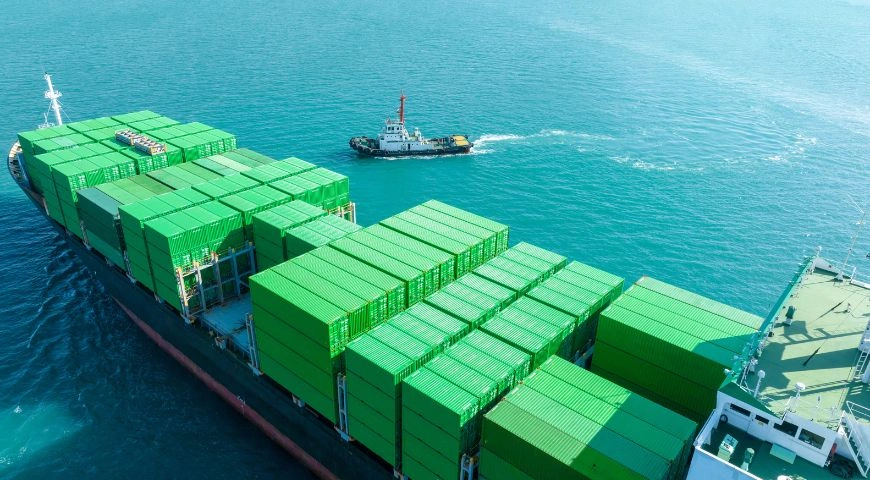
carbon-neutral shipping solutions are no longer a distant ambition reserved for sustainability reports; they are becoming a real and measurable shift in how goods move around the world. As climate concerns intensify and regulations tighten, logistics providers, retailers, and manufacturers are under growing pressure to reduce their environmental footprint without disrupting supply chains.
Shipping has always been the backbone of global trade, but it has also been a significant contributor to carbon emissions. Today, innovation, accountability, and consumer demand are forcing the industry to rethink how cargo is transported from origin to destination.
The environmental cost of traditional shipping
For decades, efficiency in shipping was measured by speed and cost alone. Environmental impact rarely entered the equation. Fossil fuel–powered ships, trucks, and planes emitted massive amounts of greenhouse gases, often hidden behind complex supply networks.
As data became more transparent, the scale of emissions became impossible to ignore. Logistics emerged as one of the largest contributors to global carbon output, pushing businesses to explore carbon-neutral shipping solutions that align performance with responsibility.
Why sustainability is now a business priority
Sustainability is no longer driven only by ethics. Customers, investors, and regulators now expect measurable environmental action. Companies failing to adapt risk losing trust, market share, and long-term viability.
carbon-neutral shipping solutions allow brands to demonstrate accountability while future-proofing operations against rising fuel costs and regulatory penalties. Environmental responsibility has become a strategic advantage rather than a compliance burden.
What carbon-neutral shipping really means
Carbon neutrality does not mean eliminating emissions entirely. It means balancing emissions produced with actions that reduce or offset an equivalent amount of carbon dioxide.
In shipping, this involves cleaner fuels, optimized routes, energy-efficient vehicles, and verified carbon offset programs. True carbon neutrality requires transparency, data accuracy, and long-term commitment.
The role of alternative fuels
Fuel innovation sits at the heart of carbon-neutral shipping solutions. Biofuels, liquefied natural gas, hydrogen, and emerging e-fuels are gradually replacing heavy fuel oil in maritime and ground transport.
While no single fuel offers a perfect solution yet, combining multiple alternatives helps significantly lower emissions across different transport modes. The transition is complex, but momentum is growing.
Route optimization and smarter planning
Technology plays a critical role in reducing emissions. Advanced route planning tools analyze traffic, weather, port congestion, and fuel consumption to minimize unnecessary mileage.
By eliminating inefficiencies, carbon-neutral shipping solutions reduce fuel use without sacrificing delivery timelines. Small improvements at scale create substantial environmental benefits.
A real-world shift toward greener delivery
A mid-sized e-commerce brand once relied on expedited air shipping for international orders, resulting in high emissions and costs. After reassessing its logistics strategy, the company adopted smarter inventory placement and slower but optimized shipping routes.
The result was lower emissions, reduced costs, and no noticeable drop in customer satisfaction. Sustainability aligned with profitability.
Carbon offsets and accountability
Carbon offset programs remain a key component of carbon-neutral shipping solutions, especially where emissions cannot yet be eliminated. Offsets fund projects like reforestation, renewable energy, and methane capture.
Credibility matters. High-quality offset programs are verified, transparent, and independently audited. Poorly managed offsets undermine trust and impact.
Measuring emissions accurately
Accurate measurement is essential for credibility. Businesses must track emissions across every stage of the shipping process, from fuel consumption to last-mile delivery.
Data-driven measurement ensures that carbon-neutral shipping solutions are based on facts rather than assumptions. This transparency strengthens stakeholder confidence and regulatory compliance.
Regulatory pressure shaping the future
Governments worldwide are introducing stricter emissions standards for transportation and logistics. Carbon taxes, reporting mandates, and fuel regulations are becoming more common.
Companies adopting carbon-neutral shipping solutions early are better positioned to adapt smoothly, avoiding rushed compliance and operational disruption later.
Customer expectations and brand loyalty
Modern consumers increasingly care about how products reach them. Sustainable delivery options influence purchasing decisions, especially among younger demographics.
Brands that communicate their commitment to carbon-neutral shipping solutions clearly and honestly build stronger emotional connections with customers. Transparency fosters loyalty.
The role of collaboration across supply chains
No company can achieve carbon neutrality alone. Shipping involves carriers, ports, warehouses, and last-mile providers. Collaboration is essential.
Shared data, aligned sustainability goals, and cooperative investments accelerate progress across the entire logistics ecosystem. Collective action multiplies impact.
Balancing speed with sustainability
Fast delivery has long been seen as incompatible with sustainability. However, smarter logistics planning shows that speed and environmental responsibility can coexist.
carbon-neutral shipping solutions prioritize efficiency over haste, delivering reliability without unnecessary emissions. Customers increasingly value responsibility alongside convenience.
Financial benefits beyond sustainability
Reducing emissions often leads to cost savings. Fuel efficiency, optimized routes, and reduced waste lower operational expenses over time.
While initial investments may be required, long-term returns include reduced volatility from fuel price fluctuations and improved risk management. Sustainability supports resilience.
Technology as a sustainability enabler
Digital platforms enable real-time emissions tracking, predictive analytics, and performance reporting. These tools empower logistics teams to make informed decisions quickly.
Technology transforms carbon-neutral shipping solutions from abstract goals into actionable strategies. Data replaces guesswork.
Challenges in achieving true neutrality
Despite progress, challenges remain. Limited fuel infrastructure, higher costs of alternative energy, and inconsistent global regulations slow adoption.
Organizations that acknowledge these barriers while committing to incremental improvement maintain credibility and momentum. Perfection is not required for progress.
EEAT and trust in sustainability claims
Experience, expertise, authority, and trust are critical when communicating sustainability efforts. Overstated or vague claims damage credibility.
carbon-neutral shipping solutions must be backed by data, third-party verification, and clear reporting. Trust is earned through honesty and consistency.
The competitive edge of early adopters
Companies that lead in sustainability influence industry standards and shape customer expectations. Early adopters of carbon-neutral shipping solutions position themselves as innovators rather than followers.
Leadership attracts partners, talent, and long-term investment.
Resilience in a changing world
Climate change increases weather-related disruptions, making resilient logistics essential. Sustainable shipping strategies often improve adaptability by encouraging diversification and smarter planning.
Resilience and sustainability reinforce each other.
The long-term vision for green logistics
As technology matures and infrastructure expands, carbon-neutral shipping solutions will become the norm rather than the exception. Emissions reduction will be embedded into logistics design, not added as an afterthought.
The future of shipping is not just faster or cheaper. It is cleaner, smarter, and more responsible.
carbon-neutral shipping solutions represent a pivotal shift in global logistics, blending innovation with accountability. By embracing cleaner fuels, smarter technology, and transparent measurement, the shipping industry is charting a path toward sustainable growth that benefits businesses, consumers, and the planet alike.
Read also:
rathimeena parcel tracking
daraz tracking pk-dex
rathimeena parcel service tracking
mettur transport tracking status