

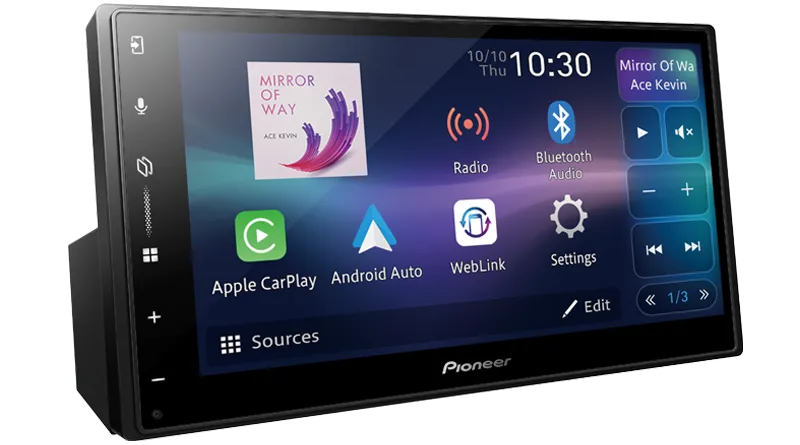
Android Auto Head Units are the single most effective way to modernize a dated vehicle without spending thousands on a new car purchase. I remember my first 2008 hatchback, which had a dashboard that looked like a relic from a bygone era. It had a basic CD player and a tiny monochrome screen that barely showed the radio frequency. When I finally decided to swap out that ancient unit for a modern touchscreen, the entire driving experience changed in a single afternoon. Suddenly, I had access to the same technology found in the latest luxury vehicles, all controlled through the smartphone I already had in my pocket.
The beauty of this technology lies in its ability to bridge the gap between our digital lives and our physical commutes. We spend so much time on our phones, yet for the longest time, the car remained a disconnected island where we struggled with suction-cup phone mounts and tangled auxiliary cables. By installing a dedicated unit, you effectively hand over the “brains” of your car’s entertainment system to Google’s powerful ecosystem. This means your navigation is always up to date, your music is always synced, and your messages are read aloud so your eyes never have to leave the road.
Understanding the market for these devices requires a look at both hardware and software. The software, provided by Google, remains relatively consistent across different vehicles, but the hardware is where the real competition happens. This is where you encounter differences in screen technology, processing speed, and audio fidelity. Choosing the right unit isn’t just about picking the biggest screen; it is about finding a balance between responsiveness, visibility under direct sunlight, and integration with your vehicle’s existing features like steering wheel controls and backup cameras.
The Evolution and Impact of Android Auto Head Units
The impact of Android Auto Head Units on driver safety cannot be overstated, as they significantly reduce the temptation to glance at a handheld device while in motion. In the early days of smartphone integration, we were often distracted by notifications popping up on a small phone screen mounted to the dashboard. With a dedicated head unit, the interface is simplified and designed specifically for glanceability. Icons are larger, text is bolder, and the voice-first approach encourages you to use the Google Assistant for almost every task, from setting a destination to changing a playlist.
I once spoke with a veteran car audio installer who had seen the industry shift from massive subwoofers to high-tech connectivity. He explained that the modern consumer cares more about how quickly their phone connects to the dashboard than how loud the bass is. This shift in priority has pushed manufacturers to innovate in ways we never expected. We now see units with capacitive touchscreens that feel just like a modern tablet, replacing the old, squishy resistive screens that required a firm press to register a command.
Furthermore, the introduction of wireless connectivity has been a game-changer for many drivers. Initially, you had to plug your phone into a USB port every time you got into the car, which was fine for long road trips but a hassle for short grocery runs. Wireless units use a combination of Bluetooth and Wi-Fi to establish a connection automatically. By the time you have buckled your seatbelt and started the engine, your maps and music are already waiting for you on the screen. It is this kind of seamless convenience that makes the upgrade feel truly premium and worth the investment.
Technical Nuances and Screen Technology in Android Auto Head Units
When you start shopping for Android Auto Head Units, the first thing you will notice is the price disparity between different models. You might find a generic unit for a hundred dollars, while a flagship model from a reputable brand costs five times that amount. The difference usually comes down to the quality of the display and the internal processor. High-end units often feature IPS (In-Plane Switching) panels, which offer much better viewing angles and color accuracy. This is crucial in a car environment where the screen is rarely directly in front of your eyes and often subject to intense glare from the windows.
Brightness is another technical factor that separates the mediocre from the great. A screen that looks great in a dark living room might be completely invisible in a convertible with the top down. Professional units are rated with higher “nits,” a measurement of brightness, ensuring they remain usable even in high-glare situations. Additionally, look for units with anti-glare coatings or matte finishes. These subtle hardware choices make a massive difference in daily usability, preventing the screen from becoming a giant mirror for the passenger’s shirt or the midday sun.
The internal DAC, or Digital-to-Analog Converter, is another area where expertise is required to make a good choice. For audiophiles, the head unit is the heart of the car’s sound system. A high-quality DAC ensures that the music streaming from your phone is converted into an electrical signal with minimal distortion and maximum detail. Many premium units also offer high-voltage pre-outs, which provide a cleaner signal to external amplifiers. If you plan on upgrading your speakers or adding a subwoofer later, starting with a high-quality head unit ensures that your entire audio chain remains clean and powerful.
Integration with the vehicle’s original equipment is perhaps the most challenging part of the installation process. Modern cars are not just mechanical machines; they are complex networks of computers. Your steering wheel buttons, climate control settings, and even vehicle diagnostics are often tied into the factory radio. To maintain these features, you often need an interface module like the iDatalink Maestro. This bridge allows the new head unit to talk to the car’s computer system, ensuring that when you press the volume button on your steering wheel, the new unit responds exactly as the factory one did.
Why DIY Enthusiasts Love Modern Android Auto Head Units
There is a certain pride that comes from performing a DIY installation of Android Auto Head Units, but it requires a careful approach and the right tools. I have seen many weekend projects go south because someone tried to hack into the factory wiring harness with a pair of scissors and some electrical tape. The modern approach involves using vehicle-specific wiring adapters that allow for a “plug and play” experience. This preserves the factory wiring, making it easy to revert the car to its original state if you ever decide to sell it or trade it in.
The physical fitment is another hurdle that has become easier to manage with the advent of “shallow chassis” designs. In many modern cars, there isn’t much depth behind the dashboard, making it difficult to fit a traditional, boxy car stereo. However, since modern units don’t need a bulky CD player mechanism, manufacturers have shrunk the electronics into a much smaller footprint. This leaves plenty of room for all the necessary wiring harnesses and adapter modules, preventing the frustration of trying to shove a giant mass of cables into a tiny plastic opening.
One story that stands out involves a friend who spent a whole weekend trying to install a cheap, unbranded unit he found online. While the screen was huge and the price was tempting, the software was buggy and the microphone was so poor that Google Assistant couldn’t understand a word he said. He eventually returned it and bought a name-brand unit. The difference was night and day. The name-brand unit came with regular software updates, a much more responsive interface, and a high-quality external microphone that made voice commands feel effortless even at highway speeds.
Trustworthiness in this niche is built on brand reputation and long-term support. Established companies like Sony, Pioneer, Kenwood, and Alpine have been in the car audio business for decades. They understand the harsh environment of a car dashboard, which can range from freezing temperatures in the winter to blistering heat in the summer. Their units are tested to withstand these extremes without the plastic warping or the screen delaminating. Furthermore, they provide firmware updates that fix bugs and improve compatibility with new smartphone models as they are released.
Improving the Driving Experience with Seamless Integration
The real-world benefits of Android Auto Head Units extend into the realm of peace of mind. For example, most units feature at least one camera input, and many allow for multiple cameras. You can easily add a high-definition backup camera to an older vehicle, which is a massive safety upgrade. Some units even support front-facing cameras or side-view cameras that activate when you turn on your blinker. This level of situational awareness was once exclusive to high-end luxury cars, but it is now accessible to anyone willing to perform a head unit swap.
Navigational accuracy is another major advantage. Factory navigation systems are notoriously difficult to update and often have clunky interfaces. With Android Auto, you are using Google Maps or Waze, which are updated in real-time with traffic data, road closures, and even speed trap warnings. You never have to worry about a “map update DVD” or paying a subscription fee to the car manufacturer. Your car’s navigation is as smart as the collective data of millions of other drivers on the road, ensuring you always find the fastest route to your destination.
Furthermore, the customization options allow you to tailor the interface to your preferences. You can choose which apps appear on the home screen, adjust the layout of the split-screen view, and even change the wallpaper. This might seem like a small detail, but when you spend an hour or more in your car every day, having an interface that looks and feels exactly how you want it to makes a difference. It turns the car from a generic utility into a personalized space that feels like an extension of your digital world.
Reliability is also found in the way these units handle voice commands. The Google Assistant is world-class at understanding natural language, which is essential when you are trying to find a specific podcast or navigate to a new restaurant while driving through heavy traffic. Instead of scrolling through endless lists, you simply say, “Hey Google, play the latest episode of my favorite tech podcast,” and it happens. This reduction in cognitive load allows you to focus more energy on the act of driving, making the road safer for everyone.
Understanding the Market for Android Auto Head Units
As the automotive world moves toward more integrated dashboards, the aftermarket for Android Auto Head Units has had to adapt. In many new cars, the radio is no longer a separate box but a part of a giant, sweeping screen that covers half the dashboard. For these vehicles, a traditional replacement isn’t possible. However, for the millions of cars built between 2000 and 2018, there is a massive opportunity to upgrade. These vehicles are often mechanically sound but feel hopelessly outdated inside, and a new head unit is the best way to give them a second life.
We are also seeing a rise in “floating” screen designs. These units have a standard single-DIN or double-DIN chassis that fits into the dash, but the screen is mounted on an adjustable stalk that floats in front of the dashboard. This allows you to fit a massive nine-inch or ten-inch screen into a car that was originally designed for a much smaller radio. It is a clever solution that brings a modern, high-tech aesthetic to older interiors, often making the car feel a decade newer than it actually is.
Authoritativeness in the head unit space also involves understanding the difference between “Android Auto” and “Android Head Units.” This is a common point of confusion. An Android Auto unit is a high-quality receiver made by a reputable audio brand that runs Google’s official interface. An “Android Head Unit” is essentially a generic tablet running a full version of the Android mobile operating system. While the latter offers more flexibility, it is often plagued by poor audio quality, buggy software, and a lack of automotive-grade safety features. For most drivers, the official Android Auto experience is far superior.
Trust in your purchase comes from reading real-world reviews and understanding the warranty process. Most major brands offer a one-year or two-year warranty on their units. When you buy from an authorized dealer, you also get the benefit of technical support and a guaranteed path for returns if something goes wrong. This is particularly important for a device that is so central to your daily routine. You don’t want to be stuck with a black screen on your morning commute because a cheap component failed in the summer heat.
Expanding Functionality with External Hardware and Apps
The flexibility of Android Auto Head Units is further enhanced by the wide range of compatible apps available on the Google Play Store. Beyond just maps and music, you can use messaging apps like WhatsApp and Telegram, audiobook apps like Audible, and even specialized apps for finding the cheapest gas prices nearby. The ecosystem is constantly growing, ensuring that your head unit remains relevant and useful for many years. It is a platform that evolves with you, rather than a static piece of hardware that begins to feel old the day you buy it.
One technical aspect that enthusiasts often overlook is the importance of the USB cable. Android Auto is very sensitive to cable quality. Using a cheap, thin cable can lead to frequent disconnects and frustrating resets. Experts recommend using a high-quality, shielded USB 3.0 cable to ensure a stable data connection between your phone and the head unit. It is a small detail, but it is often the solution to the most common complaints about the system. A stable connection is the foundation of a good user experience.
Integration with OBD-II (On-Board Diagnostics) adapters is another “pro” level feature that some units support. By using an app like Torque, you can display real-time engine data like coolant temperature, boost pressure, and fuel economy directly on your dashboard. This turns your head unit into a sophisticated diagnostic tool, allowing you to keep a close eye on your car’s health. It is particularly useful for those who own older or modified vehicles and want to ensure everything is running within safe parameters.
The shift toward electric vehicles also brings new opportunities for these devices. Specialized apps can help EV owners find charging stations, check the status of a charger before they arrive, and even plan routes based on charging stop requirements. As the automotive world changes, Android Auto Head Units provide a flexible platform that can adapt to these new needs through software updates, rather than requiring the owner to buy a whole new car to get the latest features.
Installation Nuances and Professional Advice
While many choose the DIY path, there is significant value in professional installation for Android Auto Head Units. A pro has the specialized tools to remove dashboard panels without scratching the plastic or breaking the delicate clips. They also know how to hide the microphone and GPS antenna in a way that provides optimal performance without cluttering the interior. If your car has a factory amplifier or a complex fiber-optic sound system, a professional installer has the expertise to integrate the new unit correctly without introducing noise or hum.
The placement of the microphone is a subtle detail that can make or break the experience. If the microphone is placed too close to the air conditioning vents, the wind noise will make it impossible for the Google Assistant to hear you. A professional knows exactly where to place it—often near the rearview mirror or the steering column—to ensure the clearest possible voice pickup. This attention to detail ensures that the most important part of the interface, the voice control, works flawlessly in all conditions.
Authoritative advice for any upgrade project is to “measure twice and cut once.” Before you order a unit, verify the dimensions of your dashboard opening and ensure you have the correct dash kit for your car. A dash kit is a plastic frame that adapts the universal head unit to the unique shape of your car’s dashboard. A high-quality kit will have a texture and color that matches the factory plastic, making the new unit look like it was installed at the factory. This visual integration is what separates a hack job from a professional-looking upgrade.
Trustworthiness in the after-sales world is about more than just the warranty; it is about community. Forums like r/CarAV or dedicated car audio websites are filled with people who have performed the same upgrades on the same vehicles. If you run into a weird wiring issue or a software glitch, chances are someone else has already found the solution. Tapping into this collective knowledge is a vital part of the modern car enthusiast’s journey, providing a safety net for those who want to push the boundaries of their vehicle’s technology.
Future-Proofing Your Car with Continuous Updates
One of the biggest advantages of Android Auto Head Units is that the heavy lifting is done by your phone. As you upgrade to a faster phone with a better processor, the interface on your dashboard becomes faster and more responsive as well. This effectively future-proofs your car’s interior. While a factory navigation system from five years ago feels hopelessly slow today, a five-year-old aftermarket unit running the latest version of Android Auto from a modern flagship phone feels as snappy as the day it was installed.
Software updates from Google also bring new features to the table without any effort from the driver. We have seen the interface evolve from a simple list of apps to a sophisticated “Coolwalk” layout that shows your map, your music, and your notifications all on one screen. These changes happen automatically as your phone’s Android Auto app updates. It is a level of continuous improvement that was simply unimaginable in the automotive world just a decade ago, and it ensures that your car remains a high-tech space for as long as you own it.
Regarding the hardware side, many name-brand manufacturers also provide firmware updates that improve compatibility with new smartphones and fix minor hardware glitches. Checking for these updates every few months is a good habit for any tech-conscious car owner. It ensures that the handshake between your phone and the head unit remains stable and that you are getting the best possible performance from your investment. It is this commitment to long-term quality that defines the leading brands in the industry.
Ultimately, the goal of installing Android Auto Head Units is to make every drive more enjoyable and less stressful. Whether it is a ten-minute commute or a ten-hour road trip, having the power of Google on your dashboard makes a world of difference. You can focus on the scenery and the traffic, while the head unit handles the navigation, the entertainment, and the communication. It is a transformative upgrade that breathes new life into any vehicle, proving that you don’t need a new car to enjoy the best technology that the modern world has to offer.