

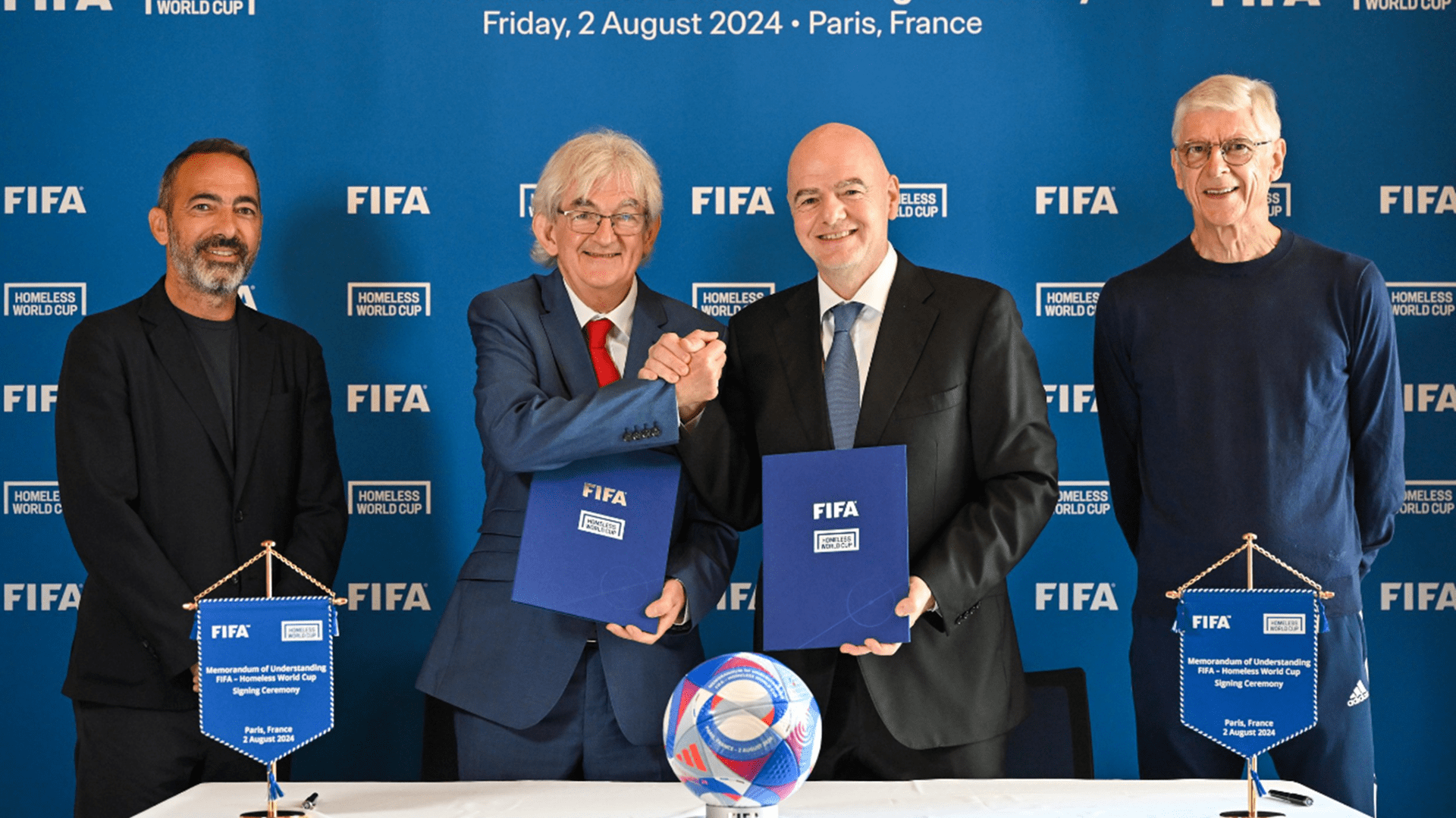
FIFA global football development has become one of the most important missions in modern sport. Football is already the world’s most popular game, but expanding access, improving infrastructure, and supporting emerging football nations remain major priorities for the sport’s governing body.
For millions of young players across the globe, football represents more than entertainment. It offers opportunities for community connection, personal development, and even professional careers. FIFA’s global development initiatives aim to make the sport accessible to every country, regardless of economic or geographic limitations.
From building football academies to supporting grassroots training programs, FIFA continues to invest heavily in growing the sport worldwide. These efforts help ensure that football remains inclusive, competitive, and sustainable for future generations.
Understanding how football development works globally reveals how the sport continues to evolve and reach new communities every year.
The Vision Behind Global Football Development
The vision of FIFA global football development is simple but ambitious: make football truly global by ensuring every nation has the opportunity to grow the sport.
While football is already played in nearly every country, not all nations have equal resources. Wealthier football associations often have access to modern stadiums, advanced coaching systems, and well-structured youth academies.
Smaller or developing nations may lack these resources, which can slow their progress on the international stage.
FIFA’s development programs aim to reduce this gap by investing in facilities, training coaches, and supporting grassroots football initiatives.
The goal is not only to improve competition but also to promote football as a tool for education, social unity, and community engagement.
How FIFA Supports Football Infrastructure Worldwide
One of the most visible aspects of FIFA global football development is infrastructure investment.
Many countries lack high-quality pitches, training centers, and stadium facilities. Without proper infrastructure, young players struggle to develop their skills effectively.
FIFA supports national associations by providing funding and technical guidance for building football facilities. These investments may include training fields, youth academies, indoor facilities, and community football centers.
For example, several African and Asian nations have benefited from FIFA-funded development projects that improved access to safe playing environments.
These facilities serve as hubs for local football communities, giving young athletes the opportunity to train regularly and compete in organized competitions.
Infrastructure development ensures that football can grow sustainably at both grassroots and professional levels.
Grassroots Programs and Community Football
Grassroots football forms the foundation of global football development.
Local community programs introduce children to the sport at an early age. These programs emphasize fun, teamwork, and skill development rather than intense competition.
Grassroots initiatives also help identify talented young players who may eventually join professional academies or national youth teams.
The philosophy behind FIFA global football development focuses heavily on expanding grassroots participation.
When more children play football, the talent pool grows naturally. Communities also benefit from increased physical activity, teamwork, and social interaction.
In many developing regions, grassroots programs serve as powerful tools for social development, helping children build confidence and discipline.
These programs demonstrate that football can positively influence both sports culture and society.
Youth Academies and Talent Development
Youth academies play a crucial role in transforming promising young players into professional athletes.
Many national football associations partner with FIFA development programs to establish structured youth training systems.
Academies focus on teaching technical skills, tactical understanding, physical fitness, and mental resilience. Young players learn how to compete while maintaining discipline and teamwork.
Under the framework of FIFA global football development, these academies receive support through coaching education, training resources, and funding.
Some academies have produced players who later represented their national teams in international tournaments.
The success of these programs shows how structured youth development can elevate football standards across entire regions.
Coaching Education and Technical Training
Quality coaching is essential for long-term football development.
Even the most talented players need skilled coaches to guide their training and tactical growth. FIFA invests heavily in coaching education programs to improve technical expertise worldwide.
Coaches from developing football nations often participate in workshops, certification courses, and training seminars organized by FIFA and regional confederations.
These programs teach modern coaching methods, player development strategies, and sports science principles.
Improving coaching standards directly supports FIFA global football development, as well-trained coaches influence thousands of players throughout their careers.
A knowledgeable coach can inspire young athletes while teaching them the fundamentals required for competitive football.
Women’s Football and Inclusive Growth
One of the fastest-growing areas of global football development is women’s football.
Over the past decade, FIFA has significantly expanded its investment in women’s competitions, youth programs, and coaching development.
Many countries that previously lacked women’s football infrastructure are now building leagues, academies, and training programs.
These initiatives align closely with the broader goals of FIFA global football development, which emphasize inclusion and equal opportunities.
Women’s football tournaments now attract millions of viewers worldwide, inspiring young girls to pursue the sport professionally.
By supporting female athletes and expanding competition opportunities, FIFA continues to strengthen football’s global reach.
Technology and Innovation in Football Development
Technology has become an important tool in modern football development programs.
Video analysis, performance tracking, and sports science help coaches evaluate player performance more effectively.
Training platforms allow coaches from different countries to access educational resources online.
Under the umbrella of FIFA global football development, digital platforms also support referee training, coaching education, and youth program management.
Technology helps ensure that even remote football communities can benefit from modern training knowledge.
As digital infrastructure improves worldwide, technology will continue to enhance the development of football talent.
Real-Life Story: Football Development Changing Communities
In a small community in Southeast Asia, a newly built football training center transformed the local sports culture.
Before the facility was built, children played football on uneven dirt fields without proper equipment. Organized competitions were rare, and many talented players never had the chance to develop their skills.
After receiving support through FIFA global football development initiatives, the community gained a training pitch, coaching programs, and youth competitions.
Within a few years, participation increased dramatically. Several young players progressed into regional academies, and local tournaments became popular community events.
Stories like this highlight how development programs can change lives and strengthen communities through sport.
International Competitions and Global Exposure
International tournaments play a key role in football development.
When teams from developing nations compete against stronger opponents, they gain valuable experience and exposure.
Youth tournaments organized by FIFA and regional confederations provide young players with opportunities to test their skills at higher levels.
These competitions support FIFA global football development by encouraging competitive growth among emerging football nations.
Players learn how to handle pressure, adapt to different playing styles, and improve their tactical awareness.
Over time, this exposure helps raise the overall standard of football in developing regions.
Financial Investment and Development Funding
Global football development requires significant financial resources.
FIFA allocates funding to national football associations through structured development programs. These funds support infrastructure projects, youth academies, coaching education, and grassroots initiatives.
Financial transparency and accountability ensure that resources are used effectively for football growth.
Through strategic investment, FIFA global football development helps smaller football nations build sustainable systems for long-term progress.
These investments are essential for maintaining competitive balance in international football.
Without development funding, many nations would struggle to improve their football infrastructure and training programs.
Challenges Facing Global Football Development
Despite major progress, football development still faces several challenges worldwide.
Economic disparities between countries continue to influence football infrastructure and training quality.
Political instability, limited resources, and geographic barriers can also slow development efforts in certain regions.
Maintaining transparency and accountability in funding programs remains another important priority.
However, ongoing improvements in governance, technology, and international cooperation are helping address these challenges.
The continued expansion of FIFA global football development initiatives demonstrates a commitment to overcoming these obstacles.
With the right strategies and partnerships, football can continue expanding into new communities and inspiring future generations of players.
Expert Perspective and EEAT in Football Development
Reliable information about global football development comes from experienced professionals within the sport.
Football administrators, coaches, sports scientists, and analysts contribute valuable insights based on years of experience in the game.
Their expertise helps shape policies, development programs, and training methodologies used worldwide.
The principles of experience, expertise, authority, and trustworthiness are essential when evaluating large-scale sports development initiatives.
By combining research, data analysis, and practical football knowledge, experts continue guiding the evolution of global football programs.
Their contributions ensure that development strategies remain effective and sustainable as the sport continues expanding across the world.
Read also:
usmnt vs guatemala national football team lineups
usmnt vs costa rica national football team lineups
spain national football team vs netherlands national football team lineups
mexico national football team vs saudi arabia national football team lineups
spain national football team vs netherlands national football team timeline