

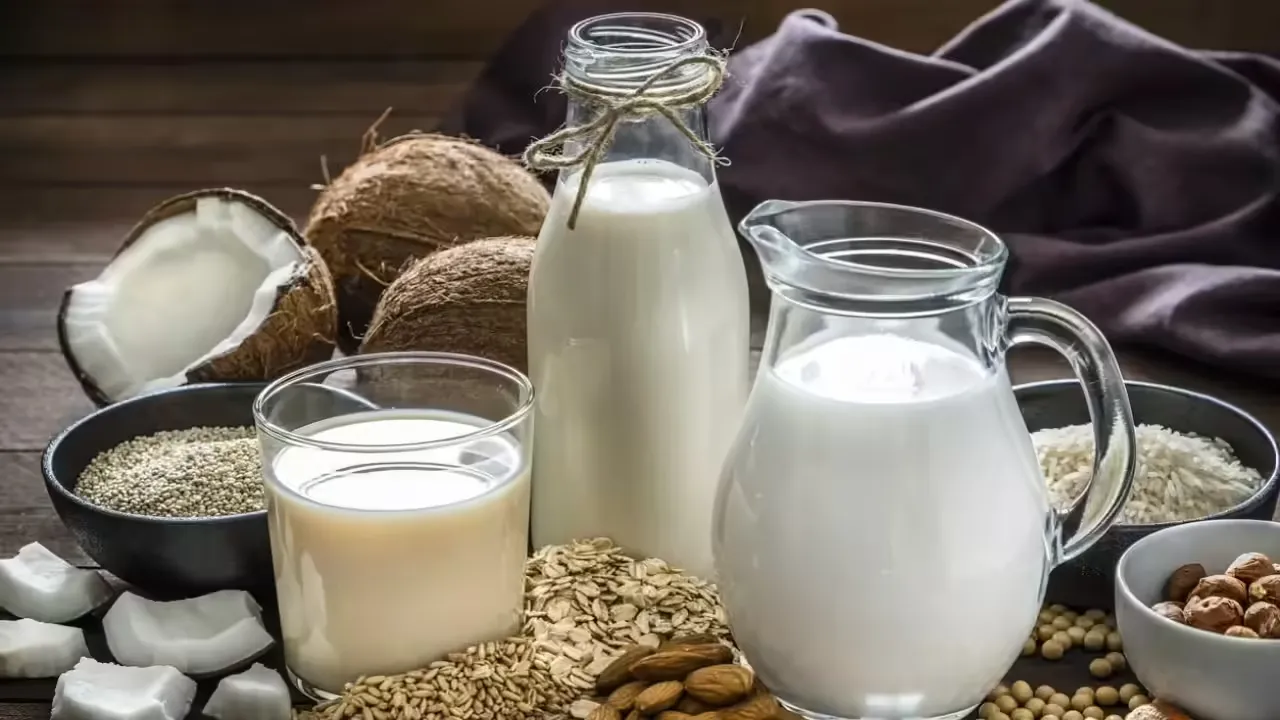
Plant-based milk drinks are reshaping the way people think about nutrition, sustainability, and lifestyle. Once considered niche, they are now mainstream, appearing in homes, cafés, and supermarkets worldwide. From almond and soy to oat and coconut, these drinks provide variety, flavor, and health benefits while supporting eco-friendly choices.
The Rise of Plant-Based Alternatives
The demand for dairy alternatives has grown rapidly due to health concerns, lactose intolerance, and environmental awareness. Consumers are seeking options that align with their values and dietary needs. The plant-based milk drinks trend reflects this shift, offering choices that are both nutritious and sustainable.
Plant-Based Milk Drinks: Almond and Soy Classics
Almond milk remains a favorite for its light texture and nutty flavor. It pairs beautifully with coffee, smoothies, and cereals. Soy milk, rich in protein, is another classic that has stood the test of time. These staples highlight how plant-based milk drinks can balance taste with nutrition.
Plant-Based Milk Drinks: Oat and Coconut Innovations
Oat milk has surged in popularity for its creamy consistency and ability to froth, making it ideal for lattes. Coconut milk, with its tropical flavor, adds richness to curries and desserts. These innovative options showcase the diversity of plant-based choices.
Real-Life Example: A Café Transformation
Consider a café that switched to offering oat and almond milk as standard options. Customers appreciated the inclusivity, and the café gained recognition as a modern, health-conscious brand. This story illustrates how plant-based milk drinks can enhance both customer satisfaction and business reputation.
Plant-Based Milk Drinks: Nutritional Benefits
Each plant-based milk offers unique benefits. Almond milk is low in calories, soy milk provides protein, oat milk contains fiber, and coconut milk offers healthy fats. Choosing the right option depends on personal health goals, making these drinks versatile for different lifestyles.
The Role of Sustainability
Sustainability is central to the popularity of plant-based drinks. Producing almond, oat, or soy milk generally requires fewer resources than dairy. Consumers who choose plant-based milk drinks contribute to reducing carbon footprints and supporting eco-friendly practices.
Plant-Based Milk Drinks: Creative Recipes
Beyond drinking them plain, plant-based milks inspire creativity. Smoothies, lattes, and desserts benefit from their unique flavors. A banana-oat milk smoothie or a coconut milk chia pudding demonstrates how these drinks elevate everyday recipes.
Emotional Connection with Food Choices
Food is emotional, and choosing plant-based options often reflects values of health, compassion, and sustainability. A parent serving almond milk to children, or a student enjoying oat milk in coffee, feels connected to a lifestyle that supports well-being. A plant-based milk drinks approach ensures these emotional connections remain strong.
Plant-Based Milk Drinks: Global Inspiration
Different cultures embrace plant-based milks in unique ways. In India, soy and almond milk are used in traditional sweets. In Europe, oat milk dominates café menus. In Southeast Asia, coconut milk is a staple in curries and desserts. These global practices highlight the versatility of plant-based drinks.
Storytelling Through Drinks
Every drink tells a story. A grandmother preparing rice milk for family gatherings reflects tradition. A young professional experimenting with oat milk lattes reflects modernity. These stories enrich the experience, making plant-based drinks more than just alternatives.
Plant-Based Milk Drinks: Accessibility and Cost
While some options are more expensive, growing demand has made plant-based milks increasingly accessible. Supermarkets now stock a wide range, and homemade recipes using nuts or oats offer affordable alternatives. Accessibility ensures that more households can enjoy these drinks.
Technology and Innovation
Advances in food technology are improving taste and nutrition. Fortified plant-based milks now provide calcium, vitamin D, and other nutrients comparable to dairy. Apps and recipe platforms guide consumers in incorporating plant-based milk drinks into daily routines.
Real-Life Inspiration: Family Choices
Families are embracing plant-based options for health and inclusivity. A household with lactose-intolerant members finds almond milk a perfect solution. Children enjoy smoothies made with oat milk, while parents appreciate the nutritional balance. These choices reflect how plant-based drinks fit seamlessly into everyday life.
Plant-Based Milk Drinks: Future Outlook
As awareness of health and sustainability grows, plant-based milk drinks will continue to thrive. With creativity, accessibility, and emotional connection, they remain timeless favorites for households, cafés, and global communities.