

Boundary percentage analysis has become one of the most fascinating tools in modern cricket. While averages and strike rates often dominate discussions, boundary percentage tells us how frequently a batsman finds the ropes. It’s a measure of intent, aggression, and efficiency, offering fans and analysts a deeper look into batting styles.
I still remember watching Virender Sehwag in his prime. His innings often had a boundary percentage far higher than most of his peers. Every few balls, the crowd would erupt as he smashed another four or six. That’s the magic of boundary percentage—it captures the thrill of power hitting in numbers.
Why Boundary Percentage Analysis Matters
Fans love big shots, but the boundary percentage analysis shows how often they actually happen. It highlights the difference between batsmen who rely on boundaries and those who build innings through singles and doubles.
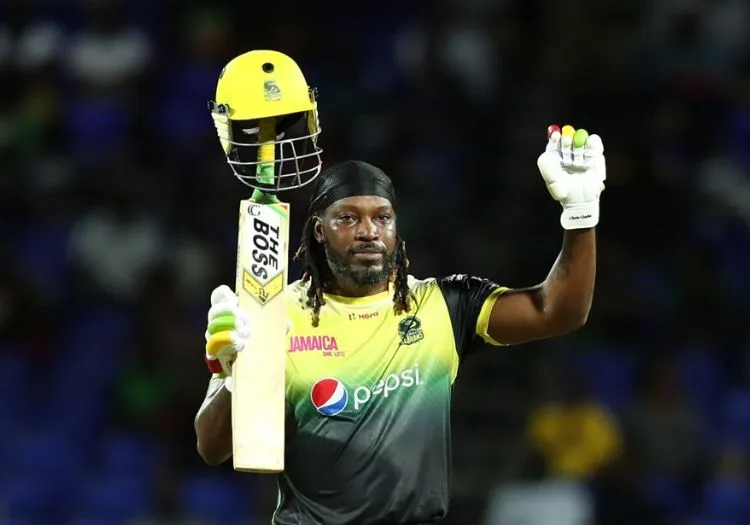
Without this analysis, we’d miss the brilliance of players like Chris Gayle, whose high boundary percentage defined his explosive style, or Kane Williamson, whose lower percentage reflected his reliance on placement and rotation.
Boundary Percentage in Different Formats
The boundary percentage analysis varies across formats. In T20 cricket, boundary percentages are naturally higher, with batsmen aiming to maximize every ball. In ODIs, percentages balance aggression with stability, while in Tests, they drop significantly as batsmen focus on survival and patience.
This breakdown shows how context shapes batting strategies.
Real-Life Example: IPL Power Hitters
During the IPL, boundary percentages often decide matches. The boundary percentage analysis of players like AB de Villiers or Andre Russell reveals their ability to change games within a few overs.
Fans recall Russell’s 2019 season, where his boundary percentage was among the highest in the league. His innings often turned matches single-handedly.
How Boundary Percentage Analysis Inspires Fans
Fans love debating batting styles. A father might admire Rahul Dravid’s patience, while his son praises Rohit Sharma’s boundary-hitting flair. The boundary percentage analysis bridges generations, sparking conversations about what makes a batsman truly great.
These debates inspire young cricketers to balance aggression with consistency, learning when to attack and when to rotate strike.
Technology and Boundary Percentage Analysis
Modern platforms track boundary percentages in real time. The boundary percentage analysis is now interactive, with fans analyzing strike rates, boundary counts, and efficiency instantly.
AI-driven insights even predict how a batsman’s boundary percentage might shift in different conditions, adding depth to fan discussions.
Global Reach of Boundary Percentage Analysis
Cricket is played across continents, and boundary percentages unite fans worldwide. Whether it’s a fan in London admiring Jos Buttler’s hitting or one in Sydney tracking David Warner’s boundaries, the boundary percentage analysis connects everyone to the thrill of batting.
I once met a fan in Dubai who followed every IPL match through boundary stats. He said it made him feel like an analyst, breaking down performances as they happened.
Future of Boundary Percentage Analysis
With AI and AR, boundary analysis will soon be immersive. Imagine reliving Kohli’s innings with boundary percentages overlayed in 3D or watching Gayle’s sixes projected in your living room.
The future promises a richer, more engaging way to experience the boundary percentage analysis, keeping fans closer to the tactical side of batting than ever.
Final Word on Boundary Percentage Analysis
Boundaries are not just about runs—they’re about intent, momentum, and match-winning spells. They show how batsmen evolve, how innings shift, and how cricket continues to thrive as a global spectacle. For anyone who loves the game, the boundary percentage analysis is the ultimate way to understand batting efficiency.