

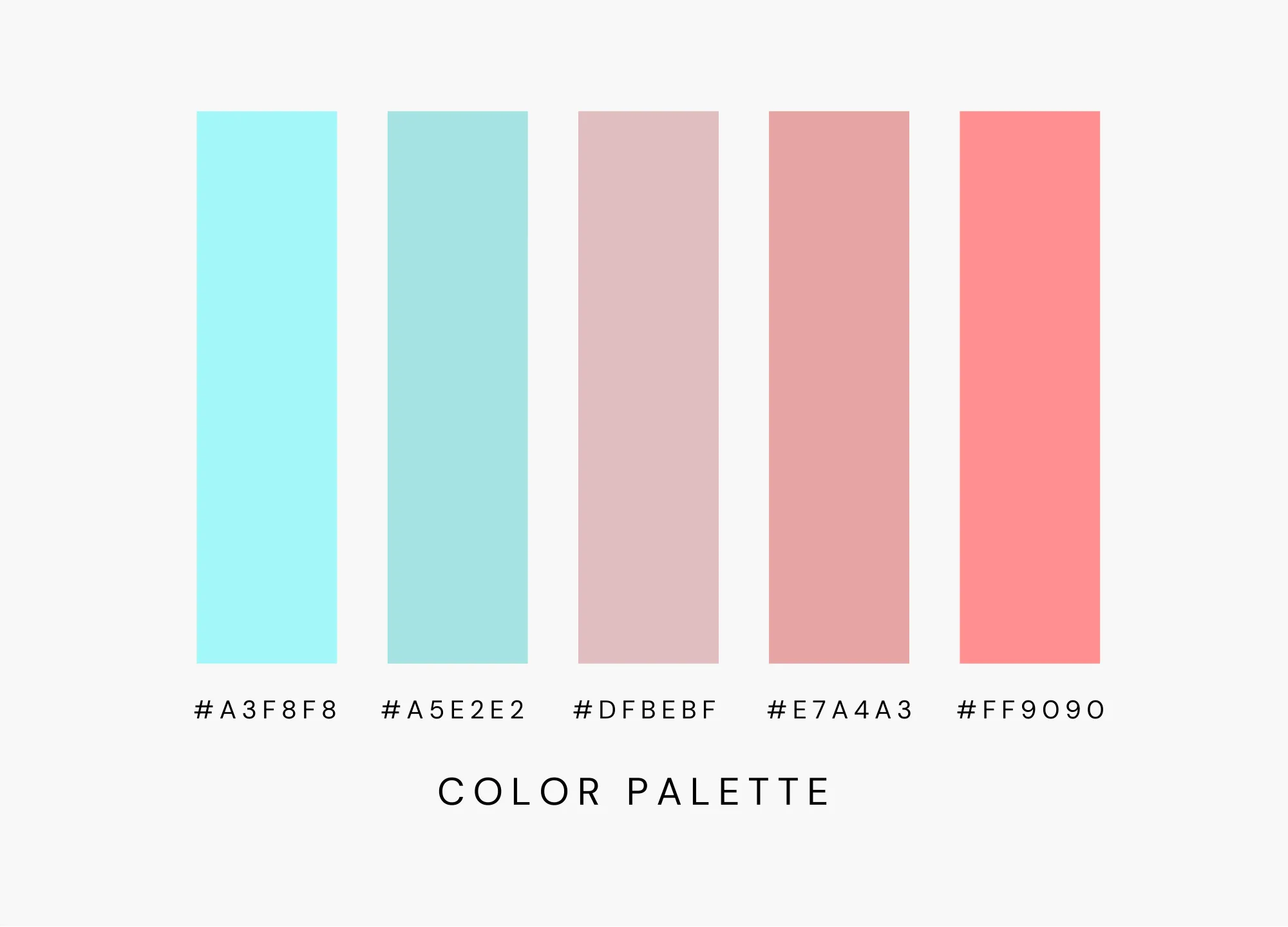
Pastel aesthetic palette choices have a unique way of washing over our senses, offering a soft-focus lens through which we can view a world that often feels too loud and abrasive. I remember walking into a small, independent bakery in a quiet corner of Paris a few years ago, where the walls were a dusty mint and the chairs were a pale, creamy peach. It wasn’t just the smell of fresh croissants that made me want to linger; it was the immediate drop in my heart rate caused by the surrounding colors. That experience taught me that color isn’t just a visual detail; it is a fundamental part of our emotional environment.
When we think about these soft hues, we are essentially looking at primary and secondary colors that have been heavily diluted with white. This high value and low saturation create a look that is light, airy, and inherently optimistic without being overwhelming. For decades, these tones were largely relegated to nurseries or Easter decorations, but the modern design world has reclaimed them as a sophisticated tool for creating “dopamine decor.” It is about bringing a sense of playfulness and peace into our adult lives through the deliberate use of light and color.
The resurgence of this style is partly due to our collective need for a digital detox. Our screens are filled with high-contrast, high-saturation imagery that demands constant attention. In contrast, a soft color scheme invites the eye to rest. It provides a sanctuary where we can breathe and recalibrate. Whether you are designing a brand, decorating a bedroom, or curating a social media feed, understanding how to balance these tones is the key to mastering the contemporary soft aesthetic.
Master Your Home with a Pastel Aesthetic Palette
Integrating a soft color scheme into your living space doesn’t mean you have to live in a house that looks like a giant bowl of marshmallows. The secret to a modern application lies in the “60-30-10” rule, where the pastel serves as a secondary or accent tone rather than the overwhelming base. For example, a room with crisp white walls and light oak flooring can be transformed by adding a sage green sofa and lavender throw pillows. The neutral base allows the pastels to sing without making the room feel juvenile or dated.
Texture also plays a vital role in how we perceive these colors in an interior setting. A pale pink on a flat, matte wall looks very different from the same shade in a rich, crushed velvet or a chunky knit wool. By mixing textures, you add depth and “weight” to the light colors, preventing the space from feeling washed out. Natural materials like rattan, light-toned wood, and linen are the perfect companions for a soft palette, as they ground the ethereal colors with a sense of earthy reality.
Another effective way to use this palette is through “tonal layering.” This involves picking one base color, like a soft sky blue, and using various shades and tints of that same blue throughout a room. You might have powder blue curtains, a cornflower blue rug, and a very pale ice-blue accent chair. This creates a monochromatic look that feels cohesive and deeply intentional. It is a sophisticated way to embrace color while maintaining a minimalist and tidy atmosphere that calms the nervous system.
Lighting is the final ingredient that can make or break a soft interior. Natural light is the best friend of pastels, as it highlights the subtle differences between shades of peach, mint, and lilac. If a room doesn’t get much sun, you have to be careful, as certain pastels can turn grey or “muddy” in low light. Choosing “warm” pastels—those with a hint of yellow or red—can help a darker room feel cozy rather than cold. It is all about how the light bounces off the pigments to create that sought-after ethereal glow.
The Digital Rise of the Pastel Aesthetic Palette
In the world of social media and web design, the pastel aesthetic palette has become a dominant force for brands looking to establish a friendly and approachable persona. We see this heavily in the skincare and wellness industries, where the goal is to project an image of cleanliness, gentleness, and health. A website that uses soft lemon yellows and pale seafoam greens immediately communicates a different message than one using bold blacks and reds. It tells the user that the experience will be smooth and stress-free.
The rise of the “Aesthetic” subculture on platforms like Instagram and TikTok has further solidified the popularity of these tones. Influencers use specific filters to desaturate their photos, leaning into a dreamlike quality that feels nostalgic for a time that perhaps never quite existed. This “vaporwave” or “cottagecore” imagery relies heavily on pinks, purples, and blues to create a cohesive feed. It is a visual language that speaks to a generation looking for escapism and beauty in their daily digital consumption.
Graphic designers often use these palettes to improve the user experience (UX) on mobile apps. Soft colors reduce eye strain, making it easier for users to spend more time on an interface without feeling fatigued. Furthermore, pastels are excellent for creating clear hierarchies of information. A pale grey background with a soft coral call-to-action button is gentle on the eyes but still directs the user exactly where they need to go. It is a marriage of psychology and aesthetics that results in better digital functionality.
However, using pastels in a digital space requires a keen eye for contrast and accessibility. One of the biggest mistakes designers make is placing white text over a very pale color, which can be impossible for people with visual impairments to read. To avoid this, it is often necessary to use a slightly darker “anchor” color for text or to ensure that the pastel tones are used as backgrounds rather than primary communication tools. Balancing beauty with inclusivity is what separates good design from great design in the modern era.
Color Theory and Mixing Soft Tones
Understanding the relationship between colors is essential when building a pastel aesthetic palette from scratch. Complementary pastels—those that sit opposite each other on the color wheel—can create a vibrant yet balanced look. For instance, a very pale peach looks stunning when paired with a soft mint green. Because both colors are desaturated, the contrast is present but not jarring. It creates a visual “pop” that remains sophisticated and easy on the eyes.
Analogous pastels are those that sit next to each other, such as lavender, sky blue, and seafoam green. This is perhaps the easiest way to create a palette that feels natural and harmonious. Think of the colors of a sunset just after the sun has dipped below the horizon; the way the pinks bleed into the purples and then into the blues. Replicating this natural transition in your design work or home decor provides an instinctive sense of balance that humans are biologically programmed to find pleasing.
Another interesting trend is the “Pastel Goth” or “Pastel Noir” aesthetic, which mixes soft candy colors with dark, moody tones like charcoal or deep forest green. This juxtaposition is incredibly powerful because it adds an edge to the softness. A lavender dress paired with black combat boots, or a pale pink room with dark iron fixtures, tells a story of complexity. It breaks the “sweetness” of the pastels and gives them a grounded, modern, and slightly rebellious personality.
When mixing pastels with neutrals, it is often best to stick to “warm” neutrals like beige, cream, or sand rather than stark, clinical whites. These warmer bases help to maintain the “coziness” of the palette. Gray is another popular neutral to pair with pastels, but you must be careful with the undertones. A “cool” gray can make pinks look muddy, while a “warm” greige can make them look vibrant. Testing your colors together in different lighting conditions is the only way to ensure they play nicely together.
The Psychological Impact of Soft Hues
Color psychology tells us that the colors we surround ourselves with can have a profound impact on our mood and productivity. Soft blues are known to lower blood pressure and slow the heart rate, making them ideal for bedrooms or high-stress office environments. Green, even in its palest mint form, is associated with growth and renewal, providing a subtle boost to our creative energy. By choosing a pastel aesthetic palette, you are effectively “hacking” your environment to support your mental well-being.
Yellow is often considered the color of happiness, but in its saturated form, it can be quite taxing on the brain. A pale primrose or lemon chiffon, however, provides that sunny optimism without the mental fatigue. It is a color that invites conversation and lightheartedness. Using these shades in a kitchen or a dining area can make the space feel like a welcoming hub for family and friends. It is a color that encourages social interaction and a positive outlook on the day ahead.
Pink is perhaps the most misunderstood color in the pastel family. Long associated with traditional femininity, it has been reclaimed in recent years as “Millennial Pink” or “Tumbleweed.” It is now viewed as a gender-neutral tone that represents empathy, compassion, and approachability. In an office setting, soft pink can foster a collaborative atmosphere, reducing the aggressive competitive edge that often comes with darker, colder colors. It is a color that softens the sharp edges of professional life.
Lavender and lilac are frequently used in wellness spaces because of their association with luxury and spiritual calm. These tones are thought to encourage introspection and deep thought. If you have a corner of your home dedicated to reading or meditation, incorporating these purples can help you transition into a more reflective state of mind. It is about using color to signal to your brain that it is time to slow down and look inward, away from the demands of the external world.
Fashion and Personal Expression
In the world of fashion, the use of soft tones has seen a massive resurgence through various “core” trends. The “Soft Girl” aesthetic relies heavily on a pastel aesthetic palette to project an image of vulnerability and sweetness. Oversized cardigans in duck-egg blue, pleated skirts in pale pink, and hair accessories in mint green are all staples of this look. It is a style that embraces a gentle form of femininity that is both nostalgic and modern, often popularized by Gen Z influencers who value comfort and self-expression.
High fashion has also embraced these tones, moving away from the “all black” uniforms of the past. Designers are using pastels in structured silhouettes, like oversized blazers and tailored trousers, to create a look that is professional yet fresh. A pale lavender suit is a bold statement because it defies the traditional expectations of “power dressing.” It suggests that you can be successful and influential without being rigid or dark. It is a new form of confidence that values softness as a strength.
Accessories are perhaps the easiest way to dip your toes into this color trend. A pair of pale mint sneakers, a peach-toned handbag, or even lavender-tinted sunglasses can add a touch of personality to an otherwise neutral outfit. Because these colors are so light, they function almost like neutrals themselves. A soft blue bag can be paired with almost any other color without clashing, making it a versatile addition to any wardrobe. It’s about adding a pop of joy to your daily attire.
Makeup and hair color have also seen a pastel revolution. “Mermaid hair” or “unicorn hair,” featuring washes of pale pink, blue, and purple, has moved from the fringes of alternative culture into the mainstream. Similarly, pastel eyeshadows and liners are used to create “ethereal” or “fairy-like” looks that focus on light and shimmer. It is a creative way to play with your appearance that feels less like “correction” and more like artistic exploration. It allows the individual to become a living piece of art.
Events, Weddings, and Celebrations
Pastels have always been a staple for weddings, but the modern approach has moved away from the “matchy-matchy” look of the 1990s. Today’s couples are using a more curated mix of soft tones to create a romantic and timeless atmosphere. Instead of just “baby blue,” they might use a mix of dusty slate, sage green, and cream. This organic approach feels more sophisticated and mimics the natural beauty of a garden in bloom. It creates a backdrop that is beautiful but doesn’t distract from the emotional core of the ceremony.
Party planning for birthdays and baby showers has also been elevated by these color choices. The use of “matte” pastel balloons, dried floral arrangements, and linen tablecloths creates a high-end look that is perfect for photography. In the age of Pinterest and Instagram, the visual appeal of an event is more important than ever. A soft color scheme ensures that the photos will look cohesive and airy, capturing the light in a way that feels magical and celebratory.
Stationery and invitations are the first glimpse guests get into the theme of an event. A thick, textured paper in a pale stone color with sage green calligraphy tells the recipient that the event will be elegant and understated. Using a soft palette for stationery allows the typography to take center stage. It is a classic choice that never goes out of style, providing a sense of “quiet luxury” that is highly sought after in the modern events industry.
Even the food and beverage industry has caught on to the trend. Think of the popularity of macarons, with their perfect shells in every imaginable pastel shade, or the rise of “butterfly pea flower” teas that turn a soft purple. Visual presentation is a huge part of the dining experience, and these colors suggest a flavor profile that is light, delicate, and sophisticated. It is a feast for the eyes as much as the palate, making the meal feel like a special occasion.
Finding Inspiration in Nature and History
Nature is the ultimate source of inspiration for any color enthusiast. If you look at a sea glass collection, you will see the most perfect range of frosted greens, blues, and whites. These colors have been softened by the salt and the waves over decades, creating a palette that is the epitome of the “coastal” aesthetic. Replicating these tones in your work or home brings a piece of the ocean’s tranquility into your life. It is a direct connection to the natural world.
The Impressionist painters, like Claude Monet, were masters of the soft palette. They understood that shadows aren’t just black or grey; they are often made of deep purples and blues. By looking at their paintings of water lilies or haystacks, you can see how they used light to soften every edge. Their work is a masterclass in how to use pastels to create a sense of atmosphere and emotion. Studying art history can give you a deeper understanding of how these colors interact with light and shadow.
The Rococo era in 18th-century France was another high point for pastel colors. The interiors of the time were filled with ornate gold leaf paired with pale blues, pinks, and creams. While that style was incredibly extravagant, the core color combinations remain relevant today. It was an era that celebrated beauty, pleasure, and lightness. Taking cues from historical periods allows us to ground our modern trends in a tradition of artistic excellence, giving our choices more depth and meaning.
Finally, looking at vintage mid-century modern design can offer a different perspective. The 1950s were famous for their mint green kitchens and pink bathrooms. While we might not want to replicate those rooms exactly, there is a sense of optimism in those color choices that is very appealing. By taking those vintage colors and applying them to modern, minimal furniture, you can create a look that is “retro-future”—a perfect blend of nostalgia and forward-thinking design.
Maintaining Balance and Avoiding Over-Saturation
The biggest risk when working with soft tones is the “nursery effect,” where the space or design feels too sweet or infantile. To avoid this, it is crucial to introduce “grounding” elements. This could be a dark metal, a piece of reclaimed wood, or even a single bold pop of a saturated color. For example, a room filled with pale blues and greys looks incredibly modern when you add a single lamp in a deep navy or a painting with a splash of vibrant orange.
Another tip is to pay attention to “undertones.” Not all pastels are created equal. Some pinks have a blue undertone (cool), while others have a yellow undertone (warm). If you mix cool pastels with warm pastels without a plan, the result can feel “off” or cluttered. Sticking to a consistent temperature throughout your palette will ensure that the colors feel like they belong to the same family. It is the secret to that “effortless” look that professional designers achieve.
Don’t be afraid of “negative space.” In a design that uses light colors, the areas where there is nothing at all are just as important as the colored areas. White space—or “breathable” space—allows the pastels to stand out. If you fill every corner with color, the effect of the palette is lost. It is better to have a few well-chosen pieces in beautiful tones than to have a room overflowing with a million different shades.
Lastly, trust your own emotional response to the colors. A palette that works for one person might feel “too cold” or “too sweet” for another. Your home and your personal style should be a reflection of what makes you feel best. If a certain shade of lavender makes you happy every time you see it, then that is the right color for you. The pastel aesthetic palette is ultimately about personal joy and creating a world that feels a little bit kinder and more beautiful than it did before.
Read also :-