

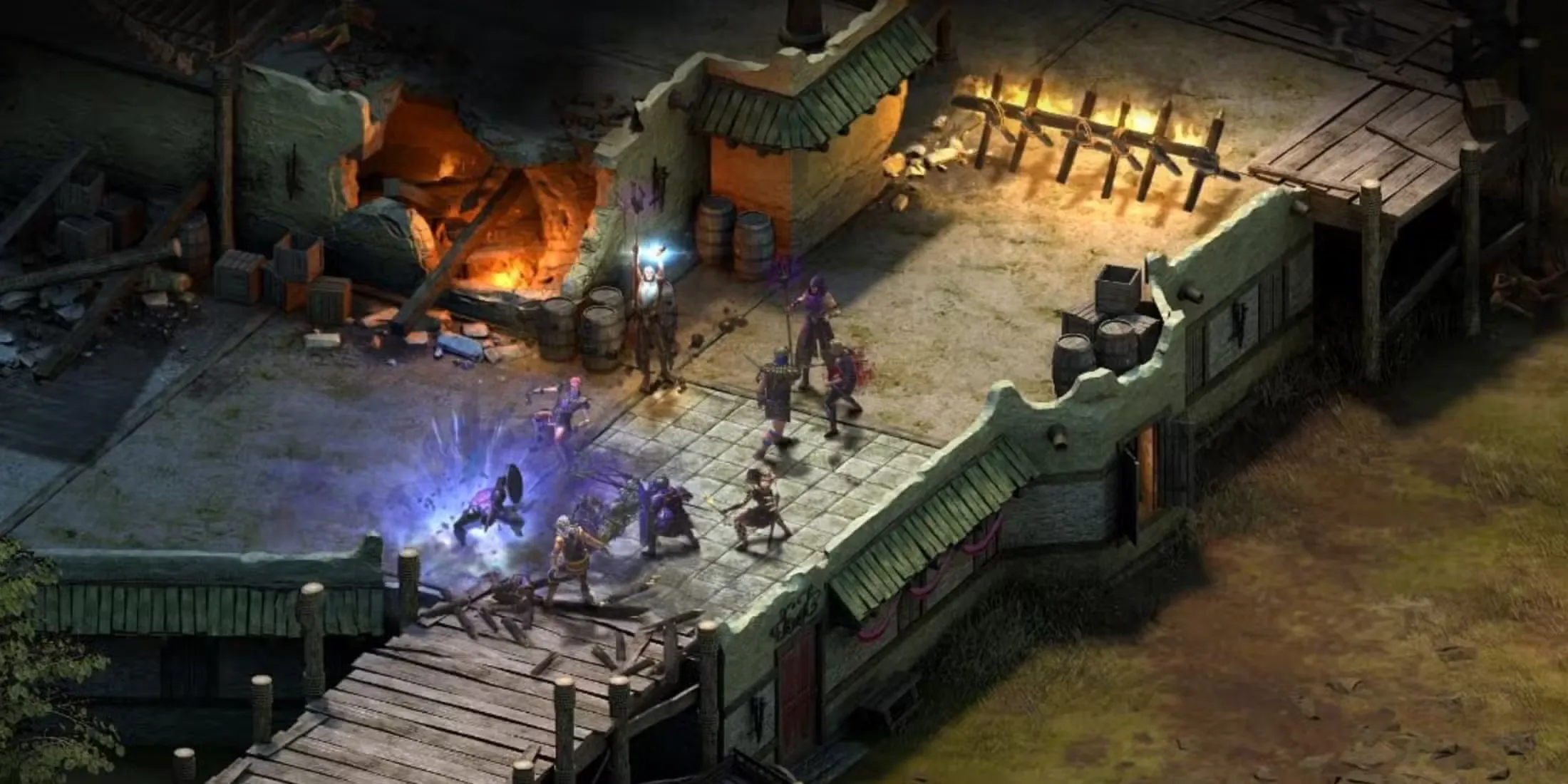
Narrative-driven RPGs have redefined role-playing games by placing story and character development at the forefront of gameplay. Unlike traditional RPGs that focus primarily on combat or mechanics, these games immerse players in intricate plots, compelling dialogue, and choices that impact the game world. Narrative-driven RPGs are more than just games—they are interactive stories where every decision matters and shapes the player’s journey.
Imagine guiding a lone adventurer through a war-torn kingdom. Your choices determine alliances, the fate of entire cities, and the ultimate outcome of the narrative. This depth of interactivity is what makes narrative-driven RPGs so captivating. Players aren’t just controlling a character—they’re crafting their own story in a living, breathing world.
The Core Appeal of Narrative-Driven RPGs
At the heart of narrative-driven RPGs is the emphasis on player agency and storytelling. Unlike linear games, players navigate branching storylines, moral dilemmas, and character interactions that influence the outcome of the game. This creates a highly personalized experience where no two playthroughs are exactly alike.
For instance, a player may choose to negotiate peace between rival factions in one session, while another playthrough could see the same player leading a rebellion. These decisions affect not only the plot but also character relationships, quests, and the game environment. The combination of story depth and meaningful choices is what sets narrative-driven RPGs apart from other genres.
The Evolution of Narrative-Driven RPGs
The history of narrative-driven RPGs shows a clear shift from mechanics-focused gameplay to story-focused experiences. Early RPGs emphasized stats, combat systems, and dungeon exploration, often with minimal narrative context. Over time, developers recognized the value of rich storytelling and player immersion, leading to games with complex plots, emotional depth, and interactive dialogue systems.
Modern narrative RPGs feature cinematic cutscenes, voice acting, and branching storylines that rival films and novels. Players often form emotional bonds with characters, experiencing triumphs, losses, and moral dilemmas as if they were part of a storybook adventure. This evolution illustrates why narrative-driven RPGs are celebrated not just as games, but as interactive storytelling masterpieces.
Key Features of Narrative-Driven RPGs
Narrative-driven RPGs combine multiple gameplay elements to deliver unforgettable experiences. Players often engage with rich dialogue systems, character customization, exploration, and strategic combat. The interplay of these features ensures that both story and gameplay remain engaging throughout.
A compelling example is a game where a player’s choices in dialogue influence the loyalty of companions and the resolution of critical story arcs. Exploration allows players to uncover side quests, hidden lore, and optional characters, enriching the narrative world. The integration of choice, consequence, and exploration makes narrative-driven RPGs deeply immersive.
Social and Community Impact
Beyond individual gameplay, narrative-driven RPGs often foster communities around shared stories and experiences. Players discuss branching outcomes, share strategy guides, and explore fan-created content. Online forums and social media platforms become extensions of the game world, allowing players to exchange interpretations and insights.
For example, players may debate moral choices made in the game, or speculate about character motivations and plot twists. This communal engagement enhances the enjoyment of narrative-driven RPGs, transforming solitary gameplay into a shared cultural experience where storytelling becomes collaborative.
Economic Significance of Narrative-Driven RPGs
Narrative-driven RPGs also play a significant role in the gaming economy. Developers invest in high-quality voice acting, expansive storylines, and cinematic production values. Revenue comes from game sales, downloadable content, and expansions that extend storylines or introduce new characters.
Indie developers can also thrive by focusing on niche storytelling experiences, demonstrating that narrative quality can be as valuable as complex gameplay mechanics. For example, a small studio releasing a story-driven RPG might attract a global audience with a compelling narrative, emphasizing the growing economic importance of narrative-driven RPGs.
Player Creativity and Role-Playing
One of the most compelling aspects of narrative-driven RPGs is the freedom to role-play and create personal stories. Players often define their character’s personality, moral compass, and relationships, directly affecting how the game world reacts.
For example, a player might choose a diplomatic approach to solve conflicts or adopt a more aggressive strategy, leading to entirely different story outcomes. This player-driven narrative ensures that narrative-driven RPGs offer high replayability, as each choice leads to a unique and memorable experience.
Emotional Engagement and Storytelling
Emotional depth is a hallmark of narrative-driven RPGs. Players form attachments to companions, experience loss, and navigate moral dilemmas that evoke strong feelings. Story-driven games create empathy, challenge perceptions, and encourage reflection, making gameplay emotionally enriching.
Consider a player guiding a protagonist through personal tragedy while navigating political intrigue. Choices about loyalty, sacrifice, and morality can provoke emotional responses akin to reading a gripping novel or watching a cinematic drama. This emotional investment is a defining feature of narrative-driven RPGs.
Challenges and Strategic Depth
While story is central, narrative-driven RPGs often incorporate strategic gameplay that tests players’ decision-making skills. Combat mechanics, resource management, and character progression add depth and challenge, ensuring that narrative engagement is complemented by tactical thinking.
For instance, choosing which characters to deploy in a battle or deciding resource allocation can dramatically affect story outcomes. The integration of strategic gameplay with immersive storytelling keeps players intellectually and emotionally invested, reinforcing the appeal of narrative-driven RPGs.
Educational and Cognitive Benefits
Interestingly, narrative-driven RPGs can support learning and cognitive development. Engaging with branching narratives encourages critical thinking, ethical reasoning, and problem-solving. Players learn to anticipate consequences, make informed decisions, and consider multiple perspectives.
A student navigating complex storylines might improve analytical skills and empathy, while practicing scenario-based decision-making. These cognitive benefits make narrative-driven RPGs valuable beyond entertainment, demonstrating their potential as interactive tools for learning and personal growth.
Multiplayer and Cooperative Storytelling
Some narrative-driven RPGs integrate multiplayer features, allowing players to collaboratively shape stories. Cooperative play introduces shared decision-making, negotiation, and teamwork, enriching the narrative experience.
Imagine a multiplayer campaign where players collectively determine the fate of a virtual kingdom. Choices are debated, strategies coordinated, and outcomes influenced by multiple perspectives. This blend of collaborative storytelling and gameplay enhances engagement and reinforces the social dimension of narrative-driven RPGs.
Immersive Worlds and Exploration
Exploration is crucial in narrative-driven RPGs. Expansive worlds filled with hidden lore, side quests, and environmental storytelling provide depth and replayability. Players are rewarded for curiosity and exploration, uncovering secrets that enrich the central narrative.
For example, wandering off the main questline may reveal a backstory for a secondary character or a hidden conflict between factions. These discoveries enhance immersion and make players feel that their actions have significance, reinforcing the appeal of narrative-driven RPGs.
Future Trends in Narrative-Driven RPGs
The future of narrative-driven RPGs is promising, with advancements in AI, cloud gaming, and interactive storytelling. AI-driven narratives may generate dynamic plots responsive to player choices, creating truly unique experiences.
Cloud-based platforms will allow seamless access across devices, while VR and AR technology could make players feel fully immersed in interactive worlds. The combination of advanced storytelling, strategic gameplay, and player agency ensures that narrative-driven RPGs will continue to evolve as a premier genre in gaming.
Choosing the Right Narrative-Driven RPG
Selecting a narrative-driven RPGs title depends on story depth, gameplay complexity, and player preference. Games with branching narratives, rich character development, and engaging worlds tend to provide the most rewarding experiences.
Players should consider reviews, trailers, and gameplay demos to ensure a game aligns with their interests. A well-chosen title offers immersive storytelling, strategic challenges, and emotional engagement, creating a memorable and interactive journey through the game’s narrative.
Read also:
addicting game
rockstar games launcher
addictinggames
rockstar launcher